Every winter the argument returns: yellow fog lights cut through fog better than white, or they are a myth kept alive by rally posters. Both sides have a piece of the truth. Colour affects comfort and contrast, but the biggest gains come from beam shape, mounting height and the discipline to switch them off when conditions improve.
We tested matched lamp pairs in fog, heavy rain and spray, measured glare and reviewed the regulations. Here is what the evidence supports and what it does not.
Key facts
- Fog lamps are designed to be low and wide, lighting the road edge under the fog layer.
- Selective yellow light can reduce glare discomfort, but it does not see further through fog.
- White light generally shows road markings and obstacles with better colour contrast.
- Fog lights must be aimed low; used in clear weather they dazzle other drivers.
- Many countries restrict fog lamp use to visibility below roughly 100 metres.
Why fog makes driving hard
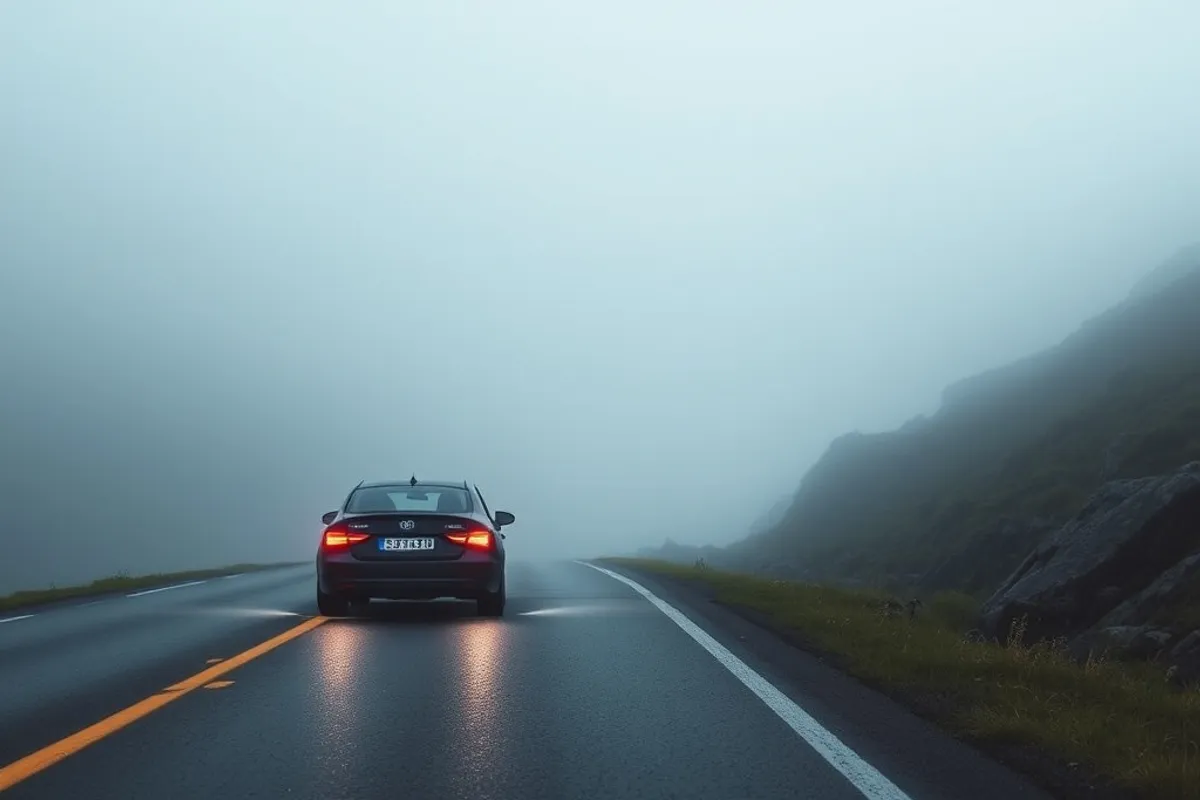
Fog is a suspension of water droplets that scatters light. When your headlights hit it, some light bounces straight back at you, creating a veil of glare that reduces contrast. The effect is worse with high-mounted, high-output lamps because more light enters the dense layer near eye level.
Fog lamps help because they sit low, where the fog is often thinner, and because they spread light wide and short. That reveals the road edge and the centre line without throwing a long beam into the murk. Their value is geometry first, colour second.
What yellow light really does
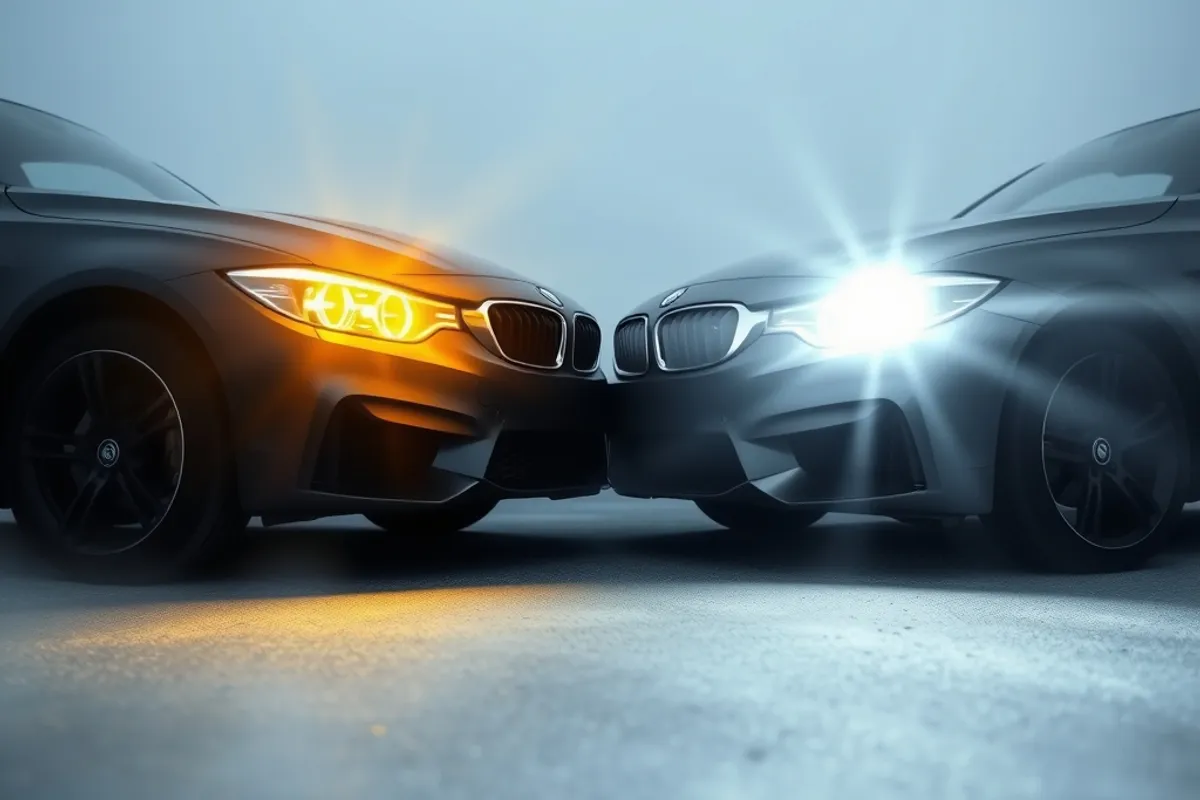
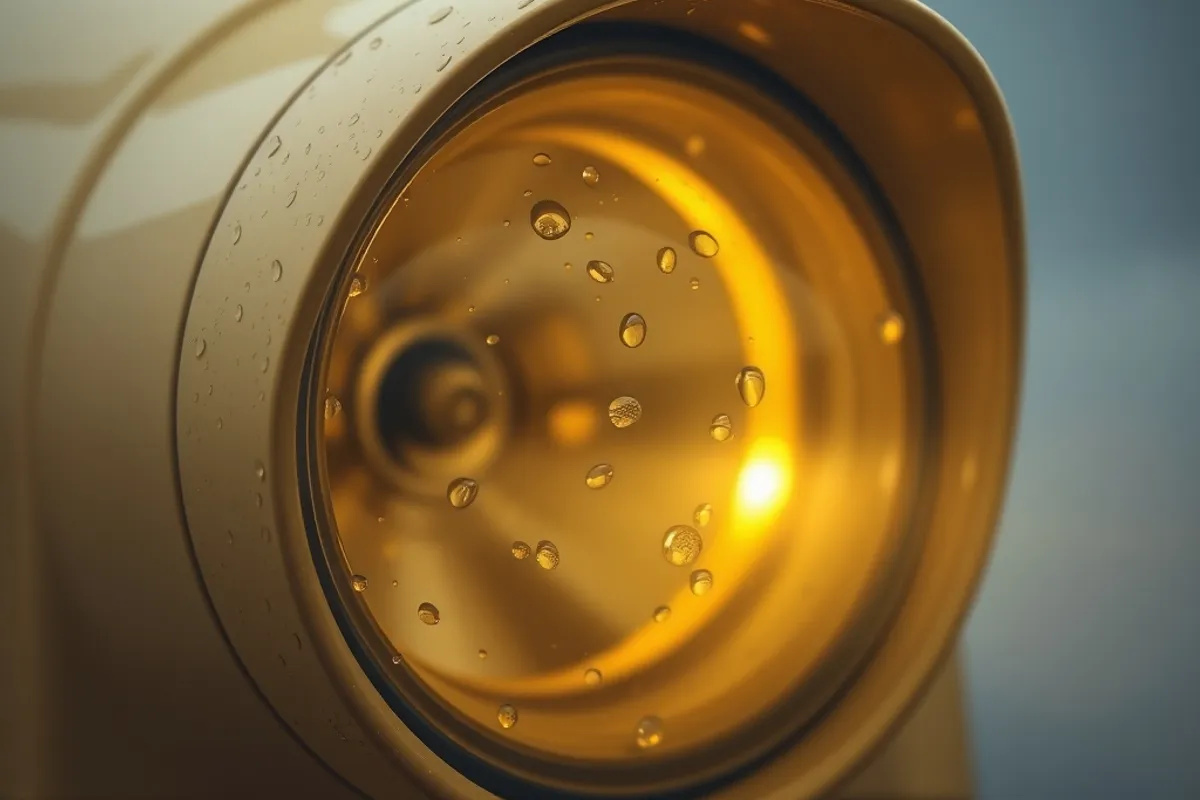
Selective yellow filters out short blue wavelengths. Blue light scatters most in water, so removing it reduces the backscatter that feels like glare. Drivers often report a calmer, higher-contrast view with yellow lamps, especially in snow and dense spray. That is a real comfort benefit, not a placebo.
What yellow does not do is increase seeing distance. It cannot make photons travel further through water. Tests that compare yellow and white lamps at the same output and aim find similar detection distances, with yellow slightly ahead in glare comfort and white ahead in colour recognition.
Where white wins
White light renders colour better. A red jacket, a blue sign or an orange cone stands out more under white light, which matters for identifying hazards on the shoulder. Modern LED fog lamps in the 4,000K to 5,000K range also produce a wider, more even spread than the old halogen units many cars still carry.
If you drive mostly in rain and on unlit rural roads, white fog lamps with a proper low cut-off are the better general choice. If you drive in snow, mountain fog or heavy spray, yellow has a genuine comfort advantage.
The legal rules to know
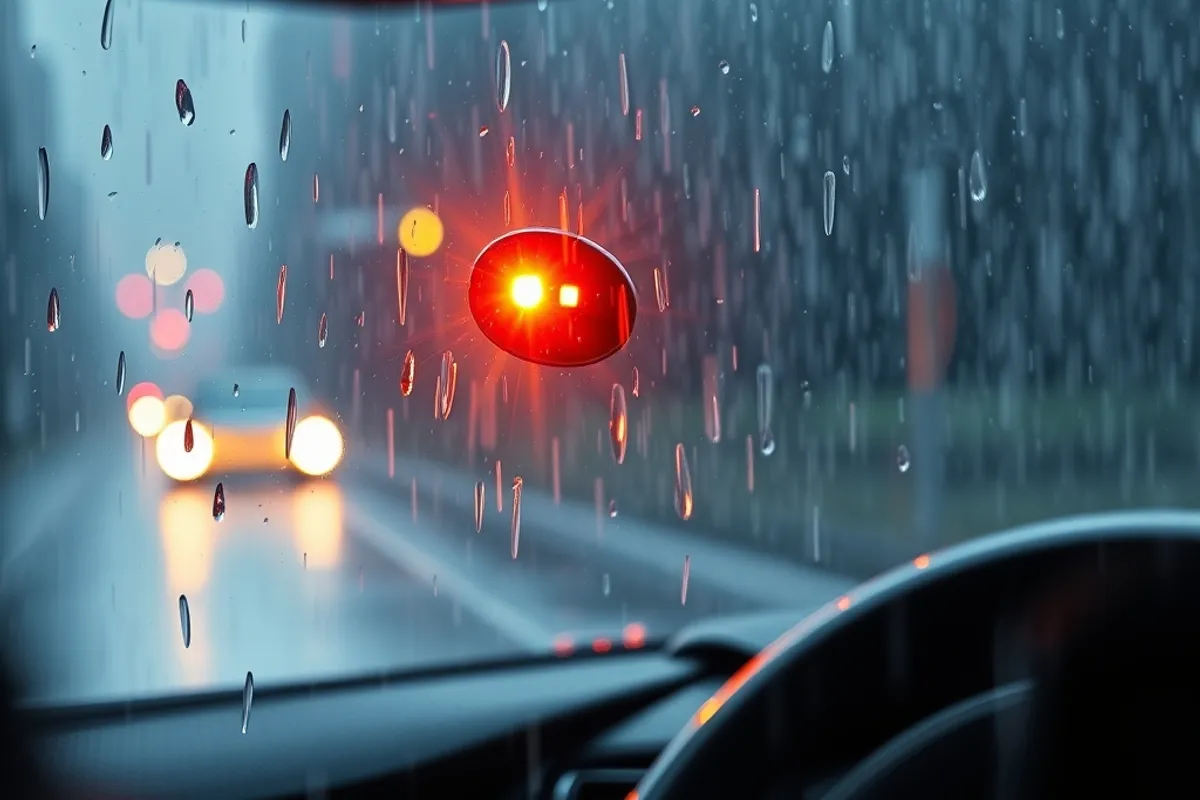
Most jurisdictions define fog lamps as low, wide lamps intended for reduced visibility, and restrict their use to conditions such as fog, heavy rain or falling snow. Using them on a clear night is often illegal because they add glare without benefit. Some places also specify colour: white or selective yellow, not blue, green or red.
Check your local vehicle code before changing lamp colour. A popular modification that fails inspection is money wasted, and a lamp that is too bright or aimed too high can create liability if it contributes to a crash.
Colour changes comfort. Aim changes safety. Fix the aim first.
Aiming and using fog lights properly
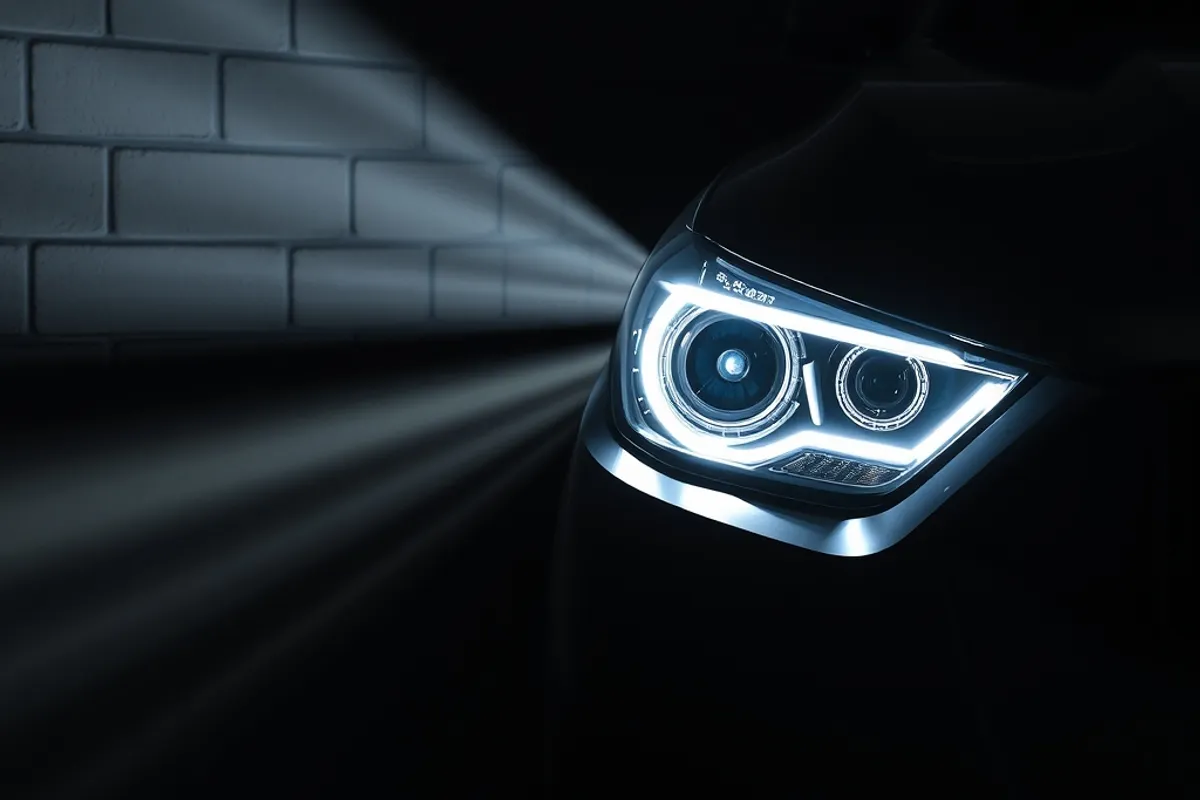
Fog lamps should aim low and slightly down, with a sharp cut-off a few metres ahead. Park on level ground facing a wall, mark the lamp centre height, and set the top of the beam below that mark at three to five metres. A lamp aimed at the horizon is a second set of headlights in the eyes of oncoming traffic.
Use fog lamps with low beam, not instead of it, and switch them off as soon as visibility improves. Do not run front and rear fog lamps together in light mist; the rear lamp is bright and can mask your brake lights. Learn where the switch is before you need it.
Upgrading without making things worse
A quality LED fog lamp with a controlled cut-off is a worthwhile upgrade on an older car with cloudy halogen units. Avoid bare LED bulbs dropped into a reflector fog housing; the pattern will scatter and the glare will rise. A complete lamp assembly designed for the car is the better spend.
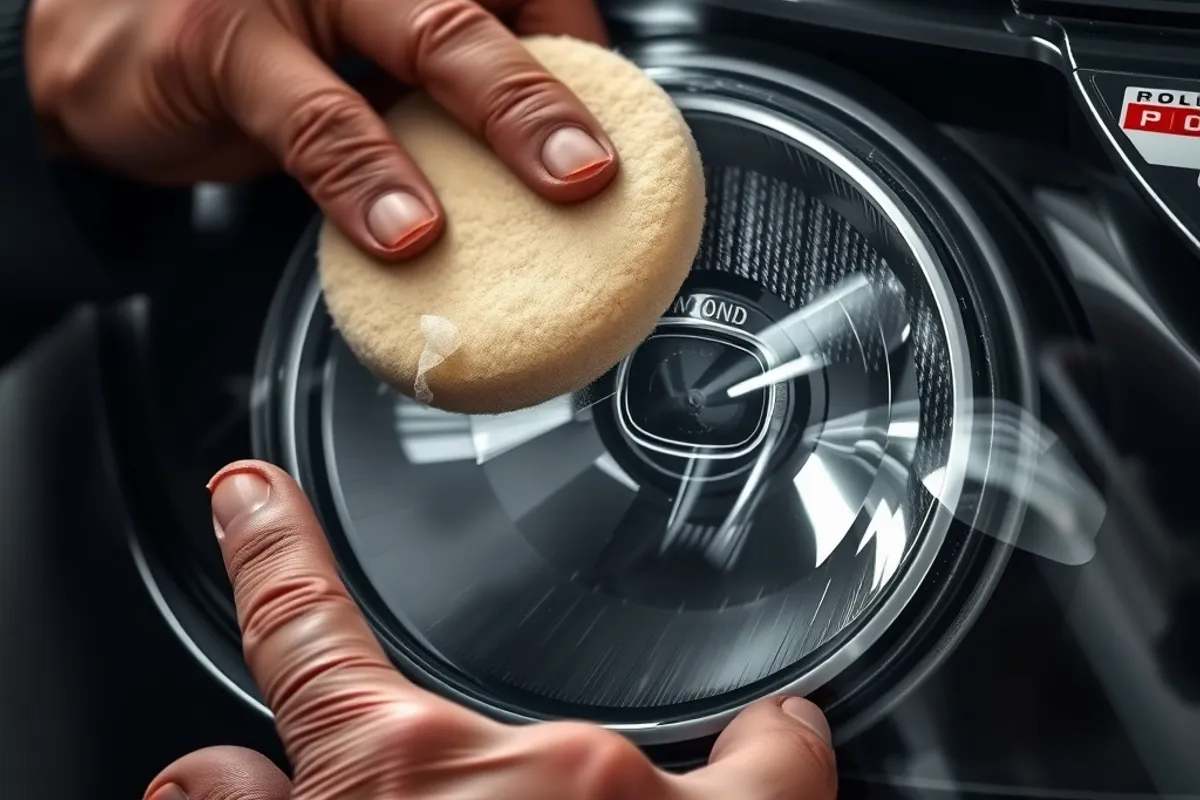
Clean the lenses first. Oxidised plastic can cut output by a third, and a $15 polish kit often restores more light than a $100 bulb. Check the connectors for corrosion, too, because a poor earth makes any lamp look dim.
The verdict for 2026
Choose yellow if you regularly drive in snow, dense fog or heavy spray and want less glare fatigue. Choose white if you want better colour recognition and a modern beam pattern for general wet-weather use. In both cases, aim low, use them only when visibility demands it, and keep the lenses clean.
If your main headlights are the weak point, start with our legal LED headlight guide and browse Automotive Lighting for beam tests and aiming advice.
Official source: nhtsa.gov.