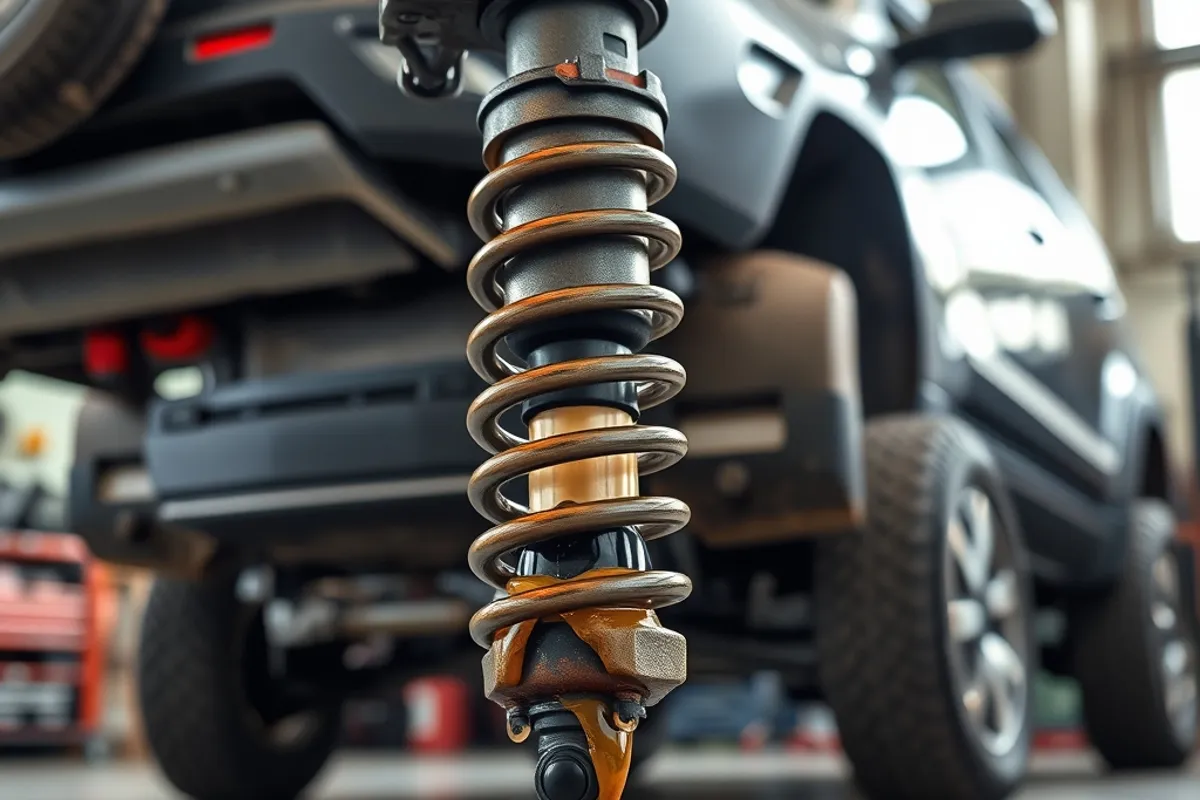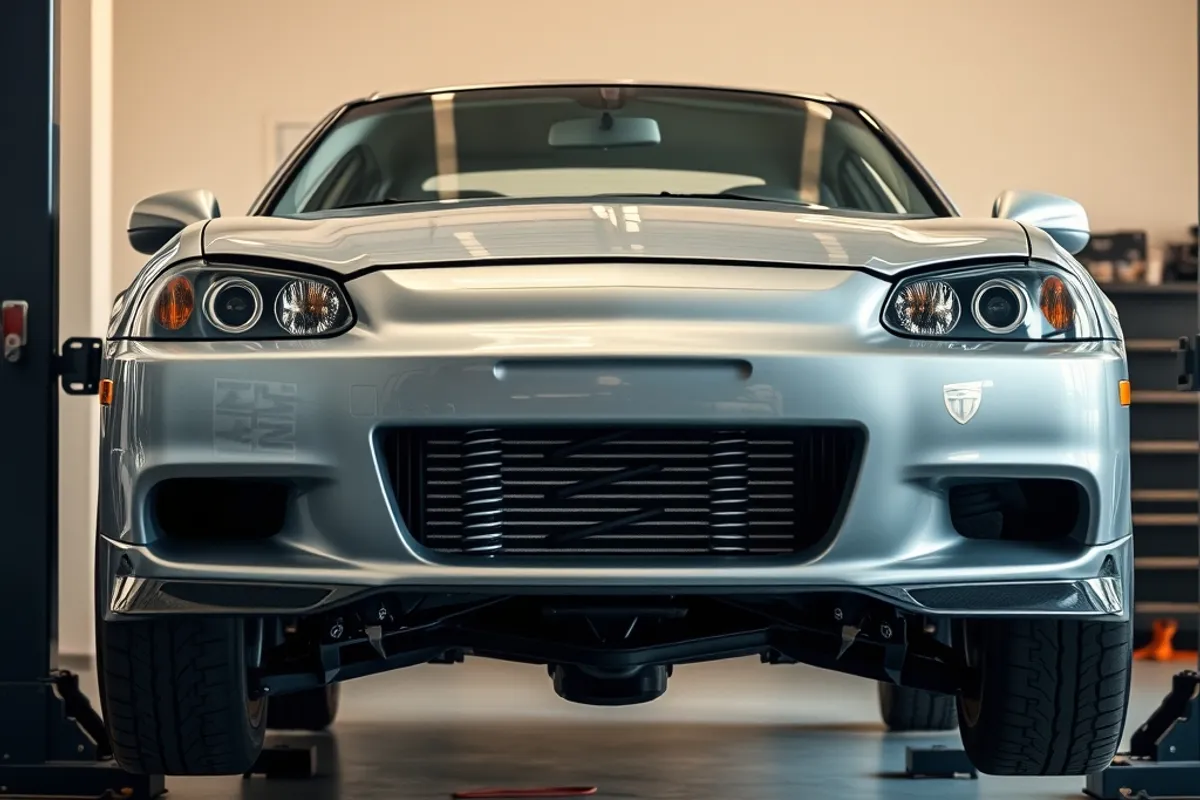
The words coilover and strut get used as if they mean the same thing, and that confusion costs drivers money every week. A strut is a structural damper that also locates the wheel; a coilover is a spring and damper assembly that can be height-adjusted, and often stiffness-adjusted too. On some cars the two overlap, which is exactly why the advice online is a mess.
This guide separates the engineering from the marketing. We cover what each setup actually changes, what it costs in 2026, where each one wins, and the hidden work that turns a $900 parts bill into a $2,000 project.
Key facts
- A pair of quality replacement struts runs $250 to $600; a full coilover kit runs $900 to $3,500.
- Coilovers let you set ride height and, on better kits, damping stiffness.
- Struts are usually cheaper, quieter and closer to the factory ride.
- Lowering more than 40mm usually needs adjustable camber arms and a proper alignment.
- Budget $300 to $700 for professional installation and corner weighting.
- After any suspension change, get an alignment within 100 miles.
What each part actually does
A strut is a structural member. It carries the spring, damps the movement and, on most front suspensions, forms part of the geometry that holds the wheel in place. Replace a worn strut with a like-for-like unit and the car simply returns to how it drove when new. That is the whole promise, and for most drivers it is enough.
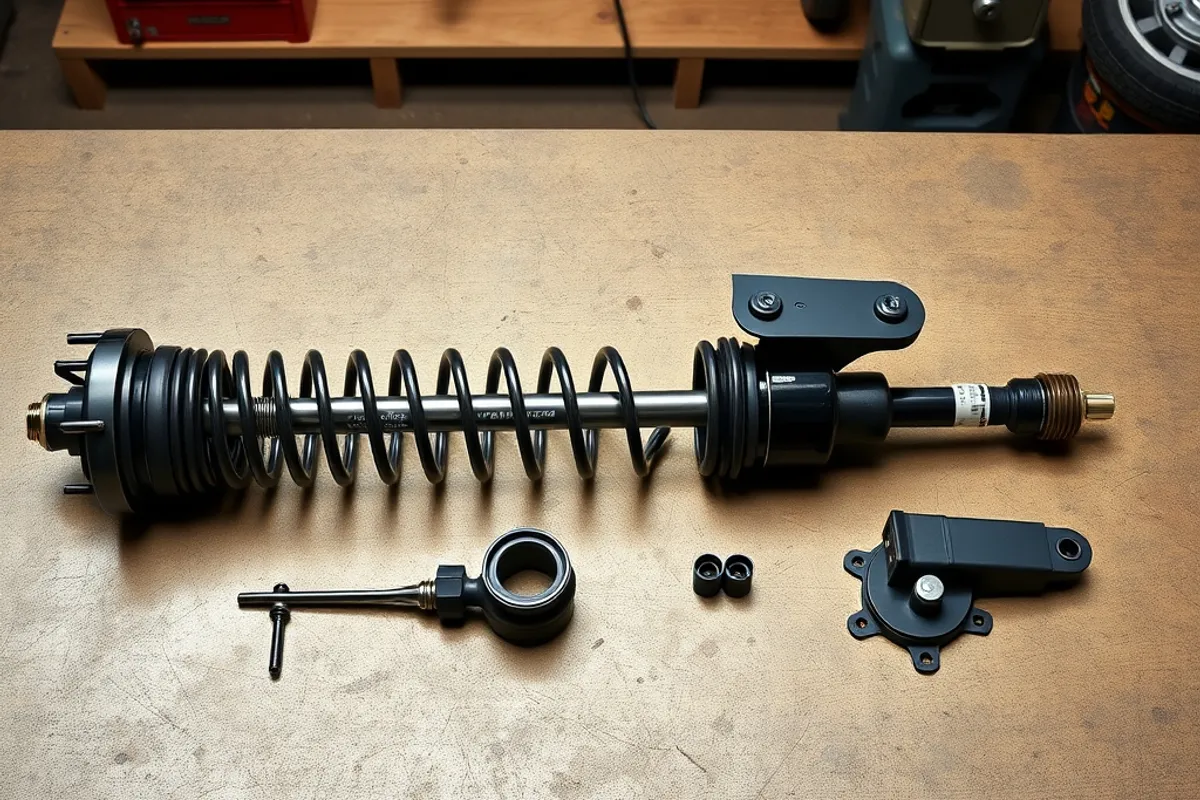
A coilover is a complete assembly: damper, spring, threaded body and usually a top mount. Because the spring seat moves up and down the threads, you can set the ride height. Better kits add adjustable damping, so you can soften the car for a commute and firm it up for a track day. The trade-off is cost, complexity and a ride that is only as good as the person who set it up.
The 2026 price picture
For a normal hatchback or sedan, two quality front struts and two rear shocks land between $450 and $900 in parts, plus $300 to $500 in labour. Add mounts and bump stops, which are usually perished by the time the damper fails, and a realistic drive-in price is $800 to $1,400.
Coilovers start around $900 for a basic height-only kit and climb past $3,500 for a two-way adjustable set with camber plates. Installation takes longer, usually four to seven hours, and a proper corner-weight session adds $250 to $450. Cheap coilovers exist below $500, but the damping quality and corrosion protection are where the money was saved.
When struts are the smarter buy
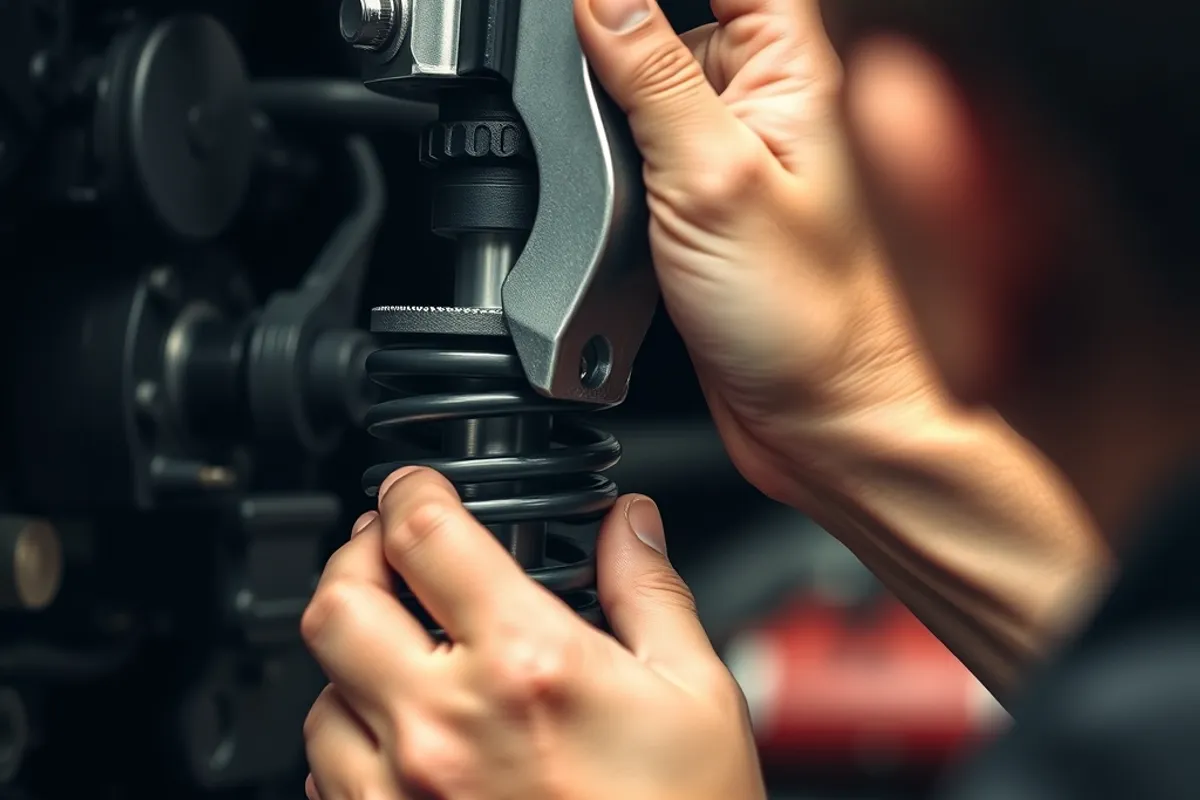
Choose struts if the car is a daily driver, the original ride height is right for your roads, and you want the suspension to disappear from your life. Factory-spec dampers are tuned for comfort, noise and tyre life, and they keep the warranty and resale story simple. They also last longer on broken surfaces because they have more travel.
Struts are also the right answer when only one corner is leaking. Replacing one strut is false economy, but replacing both sides on an axle is a sensible, affordable repair that restores balance without changing the car's character.
When coilovers earn their money
Coilovers make sense when you have a specific goal: track use, a heavy load in the back, a show stance, or a car that sees both. Adjustable damping lets one car do two jobs, and height adjustment lets you correct the rake after adding weight. On a weekend car, that flexibility is the point.
They also solve a geometry problem. If you need to run wider wheels, a big brake kit or a taller tyre for gravel, a coilover kit with the right spring rate gives you clearance that a fixed strut cannot. The catch is that every one of those choices needs a matching alignment and, ideally, corner weighting.
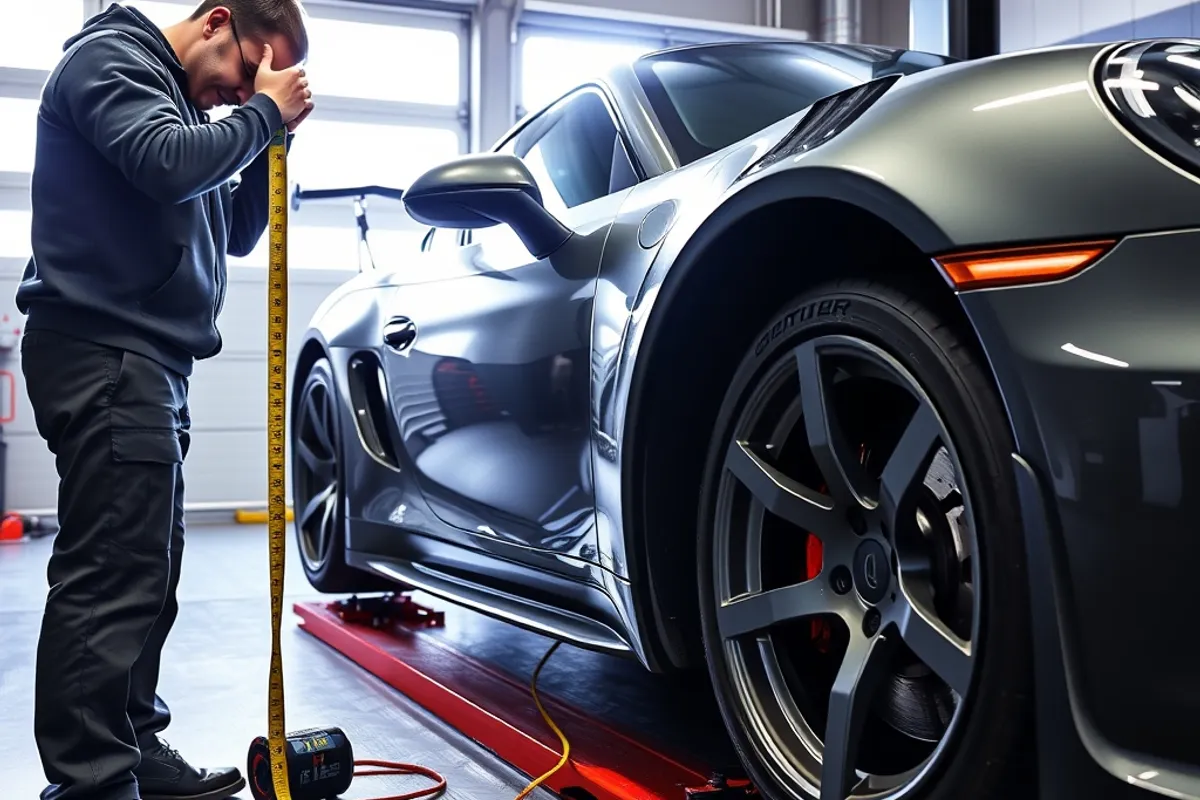
A coilover is not an upgrade until someone sets it up. Until then it is just an adjustable problem.
The hidden costs nobody quotes
Lowering changes camber and toe, and the factory arms often cannot correct it. Expect $150 to $400 for adjustable rear arms or camber plates, and another $120 to $200 for a four-wheel alignment. Worn top mounts, bump stops and dust boots should be replaced at the same time, because doing the job twice costs more than the parts.
Then there is the comfort tax. A stiff spring with a short travel will find every expansion joint, and cheap dampers will fade after twenty minutes of hard driving. If the car is a family vehicle, budget for a second set of softer springs or accept that passengers will notice the change on every trip.
Installation, alignment and setup
Struts are a straightforward bolt-in job for a competent home mechanic with spring compressors and a torque wrench. Coilovers need more care: set ride height with the car on the ground, preload the springs correctly, and torque every fastener with the suspension at ride height so the bushings are not twisted.
After either job, get a four-wheel alignment and ask for the printout. Camber should be within the factory range for street use, toe should be close to zero, and caster should match side to side. If the car pulls or the steering wheel is off-centre, the alignment was not finished, no matter what the invoice says.
The verdict for 2026
For most drivers, quality struts and shocks are the right call. They cost less, last longer on real roads and keep the car behaving the way its engineers intended. Spend the saved money on tyres, which change grip and comfort more than any damper.
Buy coilovers if you have a clear reason: track days, load carrying, stance or mixed-surface use. Buy once, from a brand with a rebuild service, and pay for a proper setup. Read our guide to worn shock absorbers first if you are still diagnosing a floaty ride, and browse Suspension Systems for more checks.
Official source: nhtsa.gov.