Fuel is the most visible line on a fleet budget and the easiest to waste. Idling, soft tyres, poor route sequencing and aggressive driving can add 15 to 25 percent to consumption before anyone notices, and the loss is spread across dozens of small decisions that no single invoice reveals.
These nine steps are ordered by payback speed. The first four cost almost nothing and can be started this week; the last three need capital or a policy change but deliver the largest long-term savings.
Key facts
- One hour of idling can burn roughly 0.5 to 1 gallon of fuel depending on engine size.
- Under-inflated tyres can increase fuel use by 2 to 4 percent.
- Smooth driving typically saves 5 to 10 percent versus aggressive acceleration and braking.
- Route optimisation can cut distance travelled by 5 to 15 percent on multi-stop work.
- A telematics rollout usually pays back within 6 to 12 months.
Measure before you cut
You cannot manage fuel without a baseline. Record total litres or gallons, distance, engine hours and cost per vehicle for three months. Separate highway, urban and idle time. Without engine-hour data, a work truck that idles all day looks efficient on a miles-per-gallon basis while burning fuel standing still.
Set a target that reflects your duty cycle. A delivery van in a city will never match a long-haul tractor. Compare vehicles doing similar work, and look for the outliers first. One badly driven or badly maintained unit can distort the whole fleet average.
Step 1: kill unnecessary idling
Idling is the fastest win. A medium-duty truck can burn close to a gallon an hour while parked. Multiply that by ten vehicles and a working year and the number is large. Fit an idle shutdown timer, educate drivers about cab comfort alternatives, and set a policy with a clear threshold, typically 3 to 5 minutes.
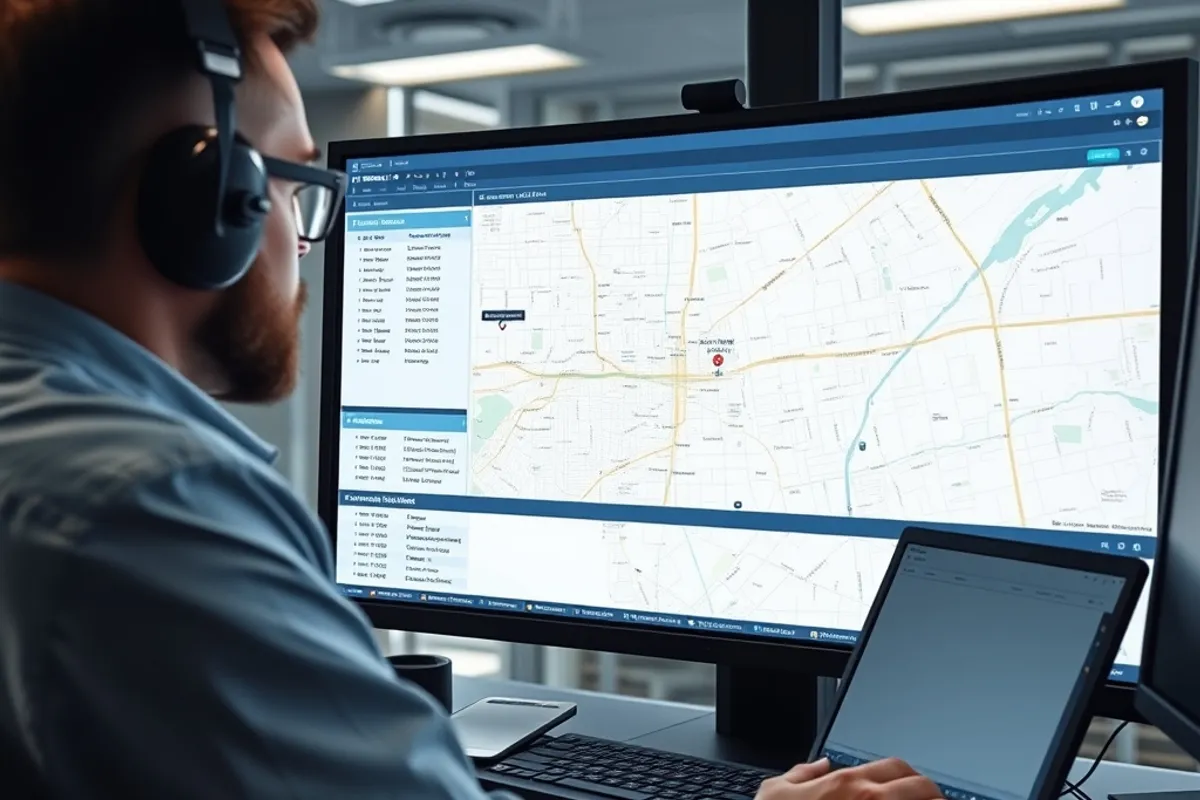
Telematics makes this measurable. Report idle time per driver per week and coach the top five. Do not punish drivers for idling in traffic; distinguish operational idling from avoidable idling, and make the distinction visible in the report.
Step 2: get tyre pressure right
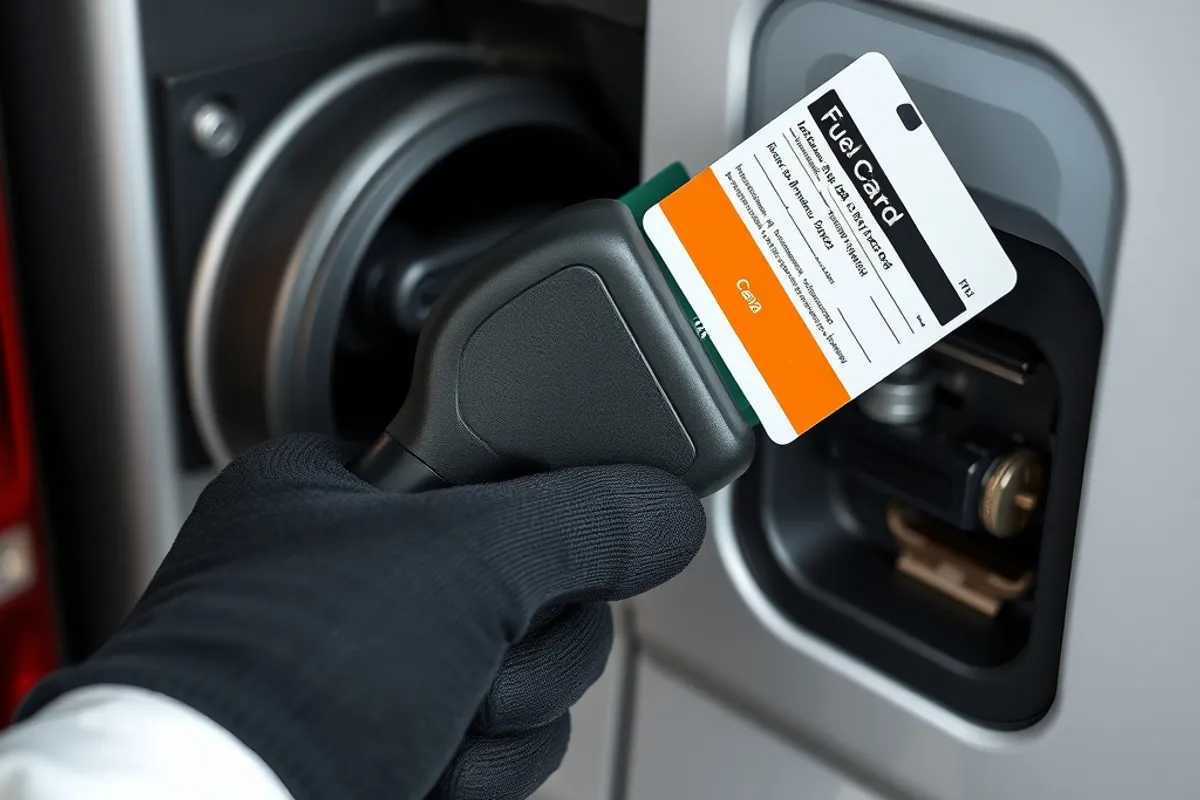
Soft tyres increase rolling resistance and wear out faster. A weekly check with a calibrated gauge takes minutes, and tyre-pressure monitoring on trailers pays for itself quickly. Set pressures for the load, not the door sticker alone, and check when tyres are cold.
Also check alignment. A vehicle pulling to one side scrubs rubber and burns fuel. An alignment costs far less than a premature set of tyres, and the fuel saving is a bonus on top of the wear saving.
Step 3: coach smooth driving
Acceleration and braking style can swing consumption by 5 to 10 percent. Coach drivers to look further ahead, ease off early for lights and avoid unnecessary lane changes. Use telematics scores as a coaching tool, not a disciplinary weapon, and reward improvement rather than absolute perfection.
Give drivers feedback within a day. A weekly league table with no context breeds resentment; a short conversation about three specific events works better. Track fuel used per completed job, not just per mile, so drivers are not penalised for routes they cannot control.
Fuel savings are not found in one big decision. They are collected in a hundred small ones.
Step 4: plan routes and loads
Route optimisation is not just about the shortest distance. It is about sequencing stops to avoid backtracking, respecting time windows and consolidating loads. A 10 percent reduction in distance on a multi-stop route usually translates directly into fuel savings and overtime savings.
Avoid running half-empty vehicles when two jobs could be combined, but do not overload beyond legal limits. Excess weight costs fuel on every gradient. Reorganise the load so heavy items sit low and the vehicle is not carrying tools it never uses.
Step 5: maintain the engine and air system
Clogged air filters, dirty injectors, faulty thermostats and dragging brakes all cost fuel. Follow the manufacturer's service intervals, and use fault codes to catch problems early. A diesel with a failing EGR or a blocked DPF can lose significant efficiency long before it fails outright.
Check the air system on trucks: a leak in the brake or intake system wastes energy and can force the engine to work harder. A monthly walk-around with a soap spray bottle finds leaks quickly, and a driver inspection app makes the record permanent.
Step 6: use fuel cards and buying discipline
A fuel card with transparent pricing and no hidden fees is worth more than a card with a headline discount and a poor network. Consolidate purchasing so you can negotiate, and set limits by vehicle and driver. Review transactions for out-of-area purchases, fuel type errors and odometer mismatches.
Buy at the right places. Highway pricing is often higher than a nearby supermarket or truck stop. A simple policy that names preferred sites can save a few cents a litre, which compounds across a fleet. Track price per litre weekly, not just spend.
Step 7: right-size and electrify where it fits
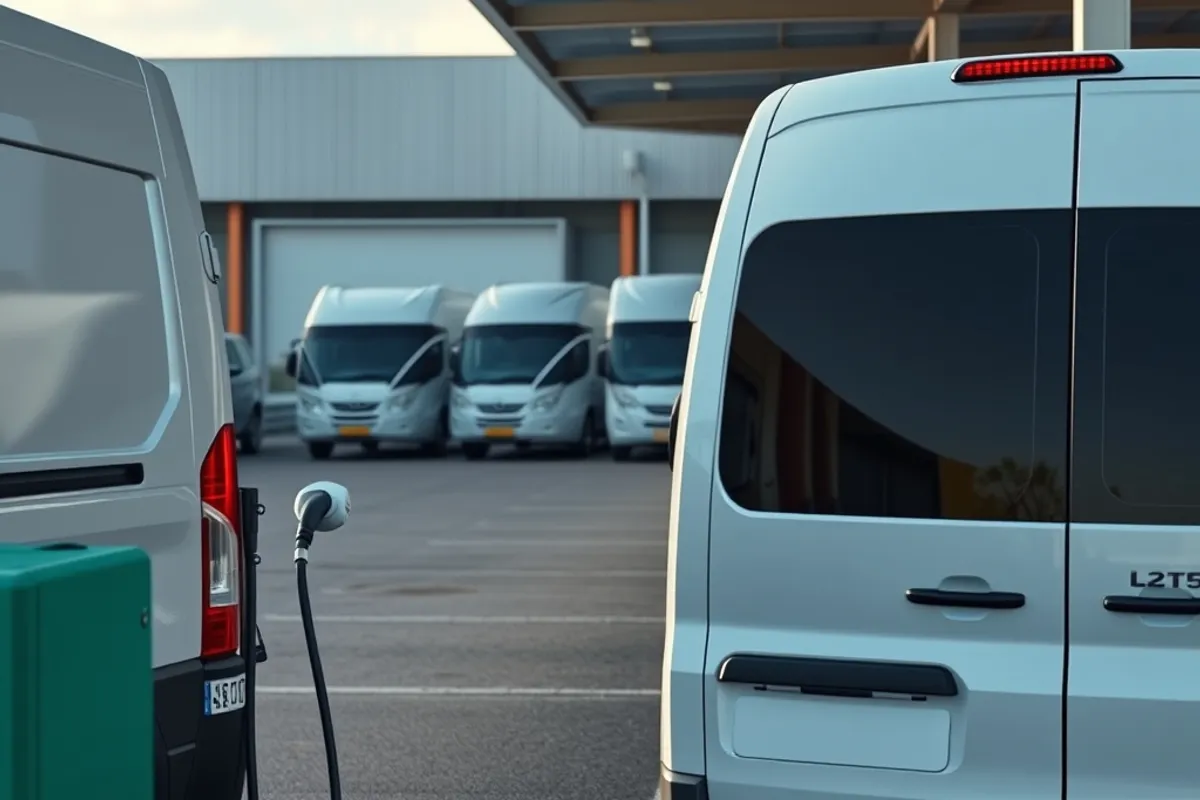
Replace the biggest fuel users first, but only where the duty cycle fits. A van doing 40 miles a day on a fixed route is a prime candidate for electric; a long-haul tractor is not, yet. Model total cost of ownership including charging, maintenance and residual value, not just the sticker price.
Right-sizing is the unglamorous sibling. A smaller engine or a lighter vehicle for light-duty work can cut fuel by 20 percent with no behaviour change. Review the fleet by actual payload and range, and stop buying capability nobody uses.
Step 8: cut aerodynamic drag and weight
At highway speed, aerodynamic drag dominates. Roof racks, ladder racks, open tarps and missing air deflectors all add fuel cost. Remove equipment when it is not needed, fit a proper cab deflector on box trucks and keep tarps tight. These changes are cheap and permanent.
Then remove dead weight. Tools, spare parts and packaging that travel every day without being used add up. Weigh a few vehicles loaded and empty to see the gap, then set a policy for what stays on board.
Step 9: review your numbers monthly
Fuel savings decay when attention moves elsewhere. A monthly review of cost per mile, idle percentage, tyre pressure compliance and driver scores keeps the gains. Share the results with drivers and show what the savings fund, whether that is better equipment or a bonus pool.
Set a realistic target, usually 10 to 20 percent in the first year, and track it per vehicle category. If a measure is not working, stop it. The point is not a perfect dashboard; it is a habit of looking at the few numbers that move the budget.
Official source: afdc.energy.gov.