Lease advertising in 2026 works the same way it always has: a low monthly number, a large down payment in small print, and a mileage cap that assumes you barely drive. The deals are still real, but only when you compare the total cost over the term rather than the figure on the banner.
We compared the affordable segments that lease well this year, from compact sedans to small electric crossovers, and noted where the advertised payment hides the real cost. Every price here is a typical national figure; your local tax, fees and credit score will move it.
Key facts
- Entry compact leases commonly advertise $199 to $279 a month with $2,000 to $3,500 due at signing.
- A 36-month lease at 10,000 miles a year suits drivers covering under 830 miles a month.
- Excess mileage typically costs $0.15 to $0.30 per mile at turn-in.
- Acquisition fees run $395 to $995 and are rarely included in the advertised payment.
- Gap insurance is worth pricing separately rather than accepting the dealer quote.
How a lease payment is actually built
A lease payment is depreciation plus rent charge, divided by the term. The depreciation is the difference between the capitalized cost and the residual value the lender sets. The rent charge is the interest on the money tied up in the car. Both are negotiable to a point, and both are affected by credit score, term length and mileage allowance.
That is why two dealers can quote very different payments on the same car. The selling price, the residual and the money factor all move. Ask for all three numbers in writing, plus the acquisition fee, documentation fee and any dealer add-ons. A payment you cannot rebuild from those figures is a payment you should not sign.
The seven segments worth shopping
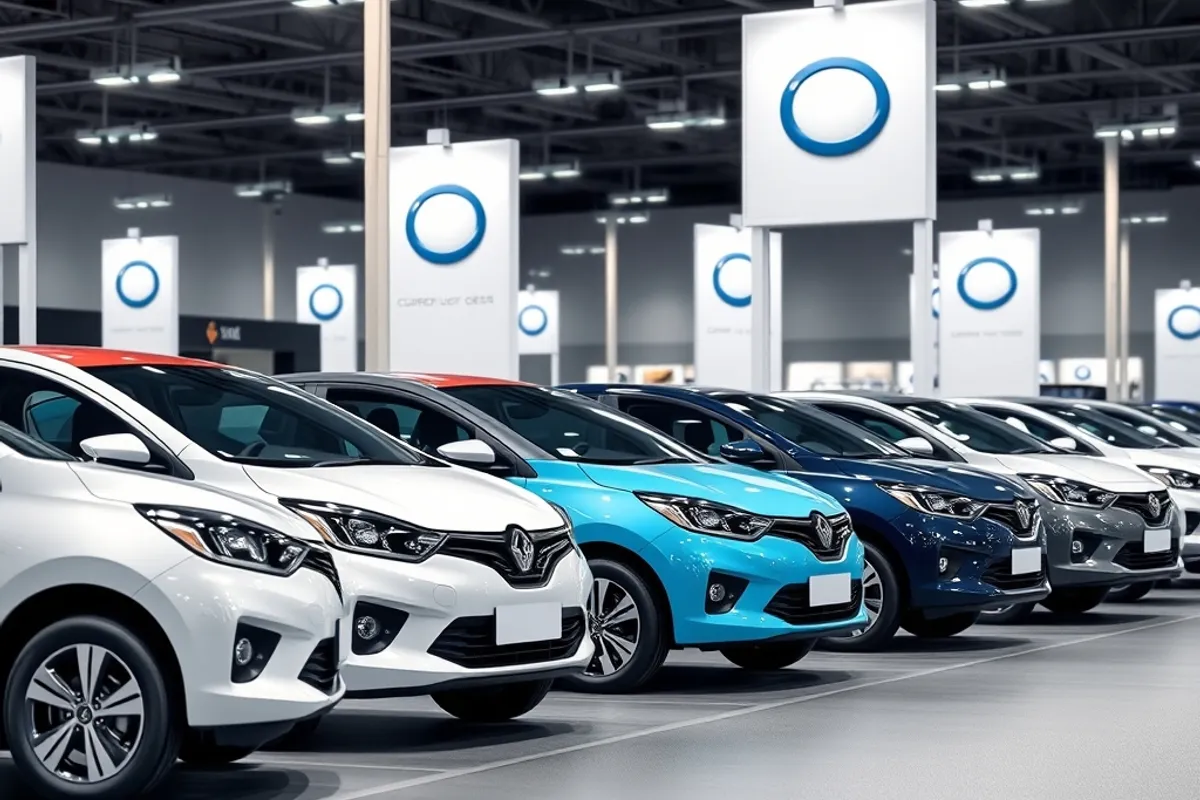
Compact sedan: the cheapest way into a new car, with strong residuals and low insurance. Small hybrid hatchback: slightly higher payment, much lower fuel cost, and a good fit for city drivers. Compact crossover: the practical family choice, though residuals vary more between brands.
Entry electric crossover: aggressive lease support in 2026, but check the home charging cost and the residual risk. Midsize sedan: comfortable and quiet, often discounted at year-end. Small pickup: leases well for light commercial use, but watch the mileage cap. Three-row SUV: the highest payment on this list, and the one where a 12,000-mile allowance is usually necessary.
Money down: the trap in every advert
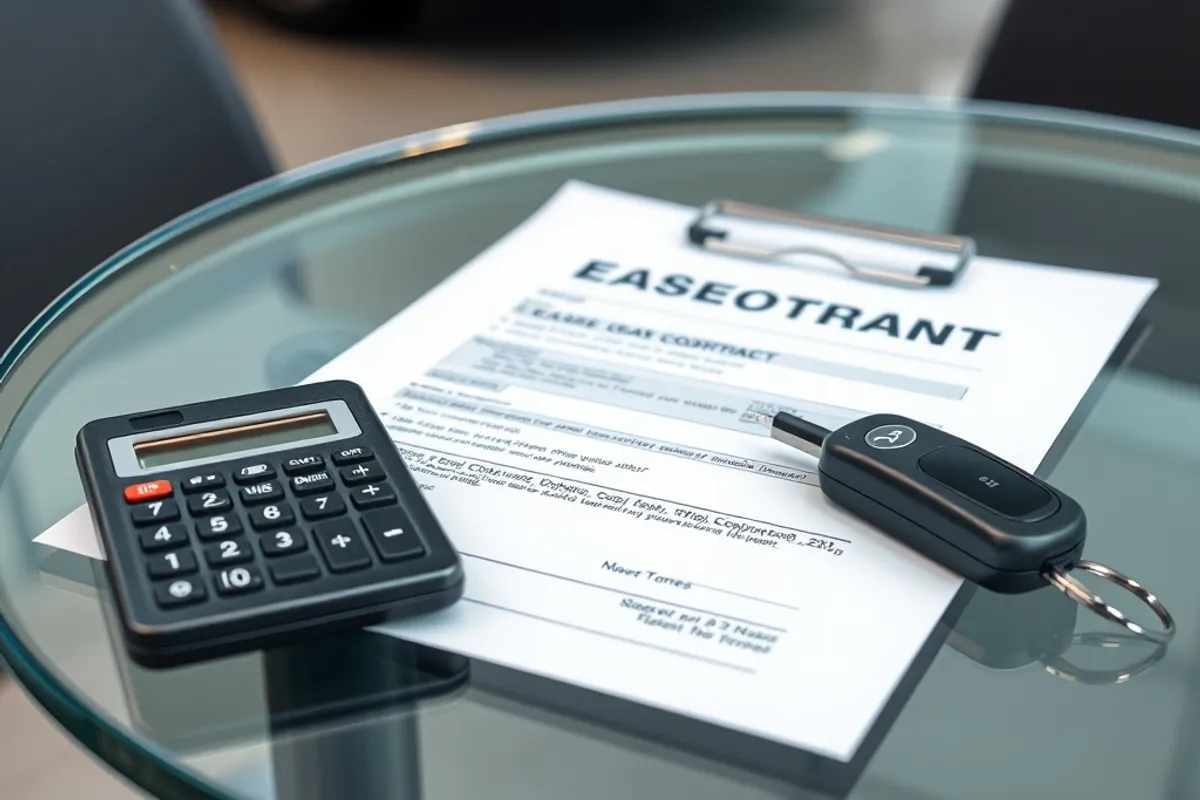
A $2,999 down payment on a 36-month lease adds $83 a month to the true cost, before tax. If the car is stolen or written off in month three, that money is usually gone unless you bought lease gap coverage. Put as little down as the lender allows and keep the cash for the first payments instead.
Dealers like money down because it lowers the advertised number and reduces their risk. You should treat it as prepaid rent, not equity. If you need a lower payment, negotiate the selling price or choose a cheaper trim before you hand over cash.

Mileage allowances and your real driving
Ten thousand miles a year sounds generous until you add a daily commute, school runs and two holidays. Measure your last twelve months of driving before you choose a cap. Going over by 3,000 miles at $0.25 a mile is $750, which is often more than the monthly saving from a lower allowance.
If you are close to the limit, ask about a higher allowance at signing rather than paying the penalty later. Some lenders will raise the cap for a small monthly increase, and that is almost always cheaper than the end-of-lease charge.
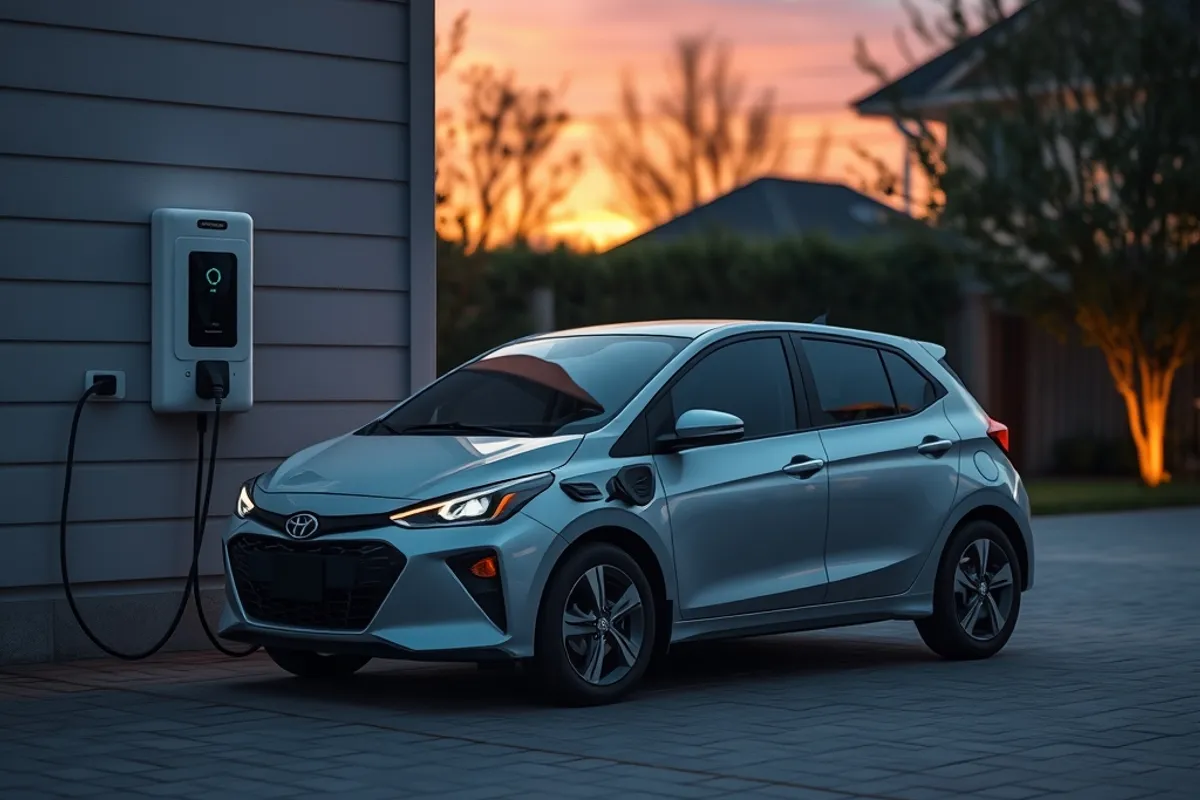
The monthly payment is a headline. The total of payments is the story.
Insurance, tax and the extras
Leases require full coverage, often with higher limits than an owned car. Get a quote before you sign, because insurance can add more to your monthly cost than the lease itself. Gap insurance is worth comparing separately; the dealer product is convenient but rarely the cheapest.
Watch the add-ons: paint protection, wheel and tyre cover, excess wear plans and maintenance packages. Some are good value for high-mileage drivers; most are margin for the dealer. Price each one against what it would cost you to pay out of pocket.
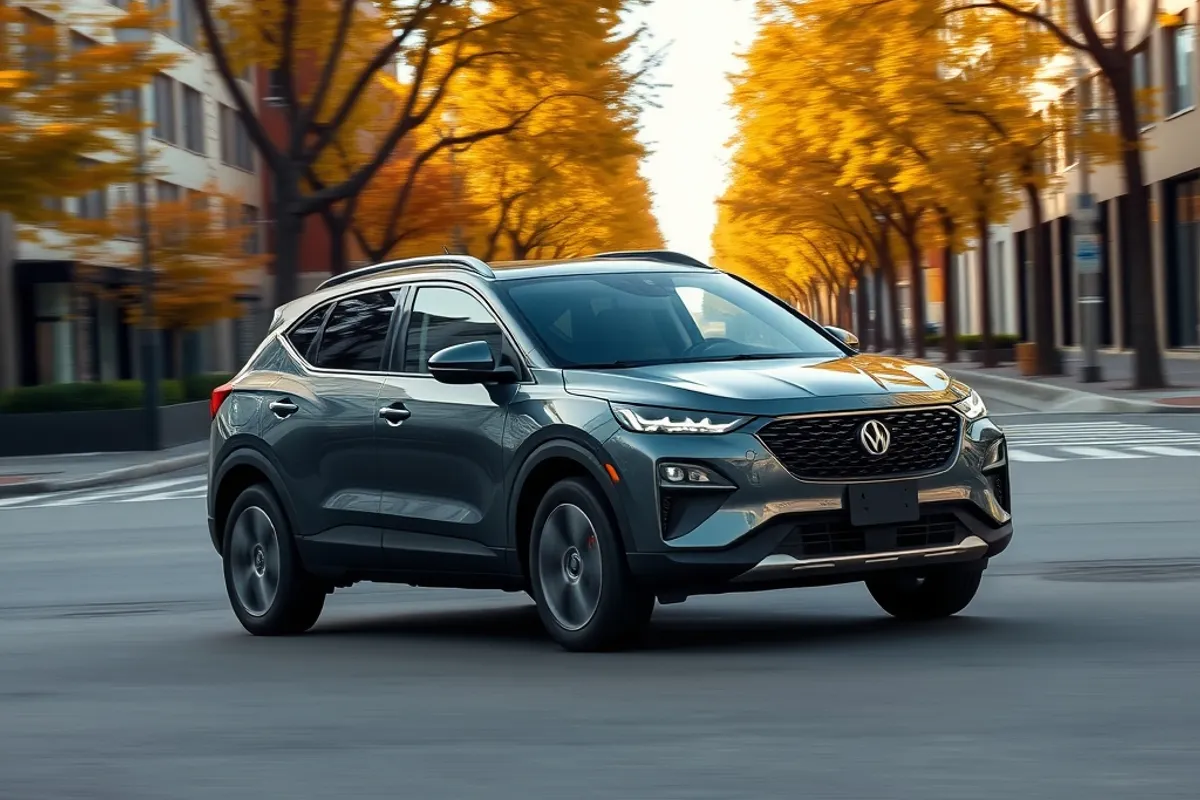
How to negotiate a lease in 2026
Negotiate the selling price first, as if you were paying cash. Then ask for the residual and the money factor, and check the money factor against a competitive auto loan rate. A lease is a loan with a balloon payment at the end; if the rate is poor, the payment will be too.
Shop at least three dealers and ask for the same terms: 36 months, 10,000 or 12,000 miles, zero down, and the full fee breakdown. Compare the total of payments plus fees, not the monthly figure. End of quarter and end of model year are the best times to ask.
The verdict for 2026
The cheapest lease is rarely the lowest advertised payment. It is the one with a fair selling price, a sensible mileage cap, minimal money down and no unnecessary add-ons. For most drivers, a compact hybrid or a well-supported electric crossover offers the best balance of payment and running cost.
Before you sign, read our guide to lease-end options so you know what happens in three years, and browse Vehicle Leasing for more contract advice.
Official source: consumerfinance.gov.