An OBD2 scanner is the single most useful tool a modern car owner can buy, and the market is full of devices that promise more than they deliver. Some $20 dongles read exactly the same emissions codes as a $3,000 workshop tablet. Others add live sensor data, bidirectional tests and service resets that genuinely change what you can diagnose at home.
We tested six scanners across a 2014 hatchback, a 2019 diesel SUV and a 2022 plug-in hybrid. The picks below are grouped by what they let you do, not by brand prestige, with the limitations we found in real use.
Key facts
- Basic code readers start around $25 and cover engine and emissions faults.
- Mid-range scanners ($80 to $180) add live data, freeze frames and ABS or airbag access on some models.
- Professional tools ($300 to $500) add bidirectional tests and service resets.
- No scanner can fix a wiring fault, a vacuum leak or a worn engine part.
- Always record the freeze-frame data before clearing a code.
What an OBD2 scanner can and cannot do
Every car sold since 1996 has an OBD2 port, and the standard mandates access to emissions-related data: fault codes, live sensor readings, freeze frames and readiness monitors. A basic reader handles all of that. It will tell you a cylinder is misfiring, a sensor is out of range or a catalytic converter is below efficiency.
What it cannot do is tell you why. A P0301 code means cylinder one misfired; the cause could be a coil, a plug, an injector, a vacuum leak or low compression. The scanner points you at the system. Diagnosis still needs a test light, a compression gauge, a smoke machine and patience.
The six picks at a glance
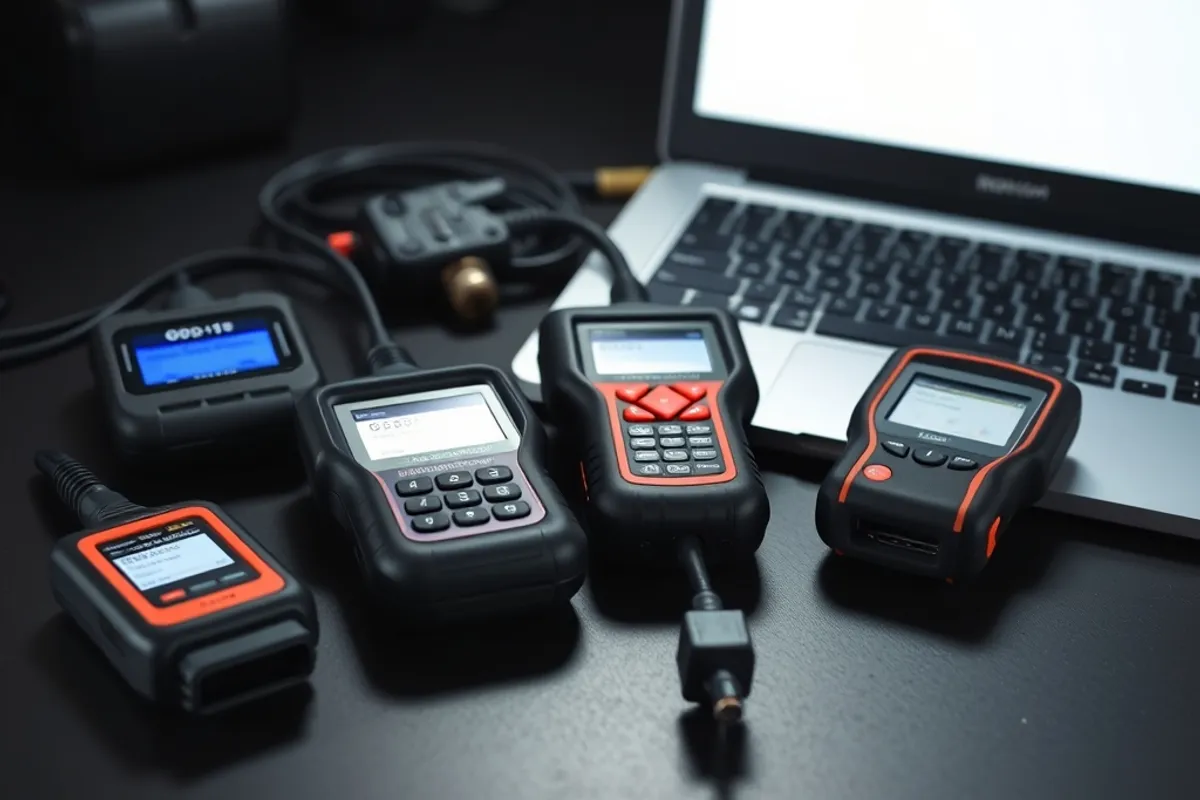
Best budget: a Bluetooth ELM327-style adapter paired with a reputable app, around $25. It reads engine codes and live data on your phone and is ideal for checking a used car before purchase. Best all-round: a standalone handheld around $90 with a colour screen, freeze-frame capture and a built-in code library.
Best for DIY diagnostics: a $150 to $180 tool with ABS, airbag and transmission access on popular models, plus live graphing. Best for older European cars: a marque-specific tool that reads manufacturer codes, not just generic P-codes. Best for service work: a $300 to $500 bidirectional scanner that can run actuator tests and reset electronic parking brakes, throttle bodies and oil intervals. Best for fleets: a kit with case, cables, battery support and a subscription that covers multiple vehicles.
Why live data matters more than code count
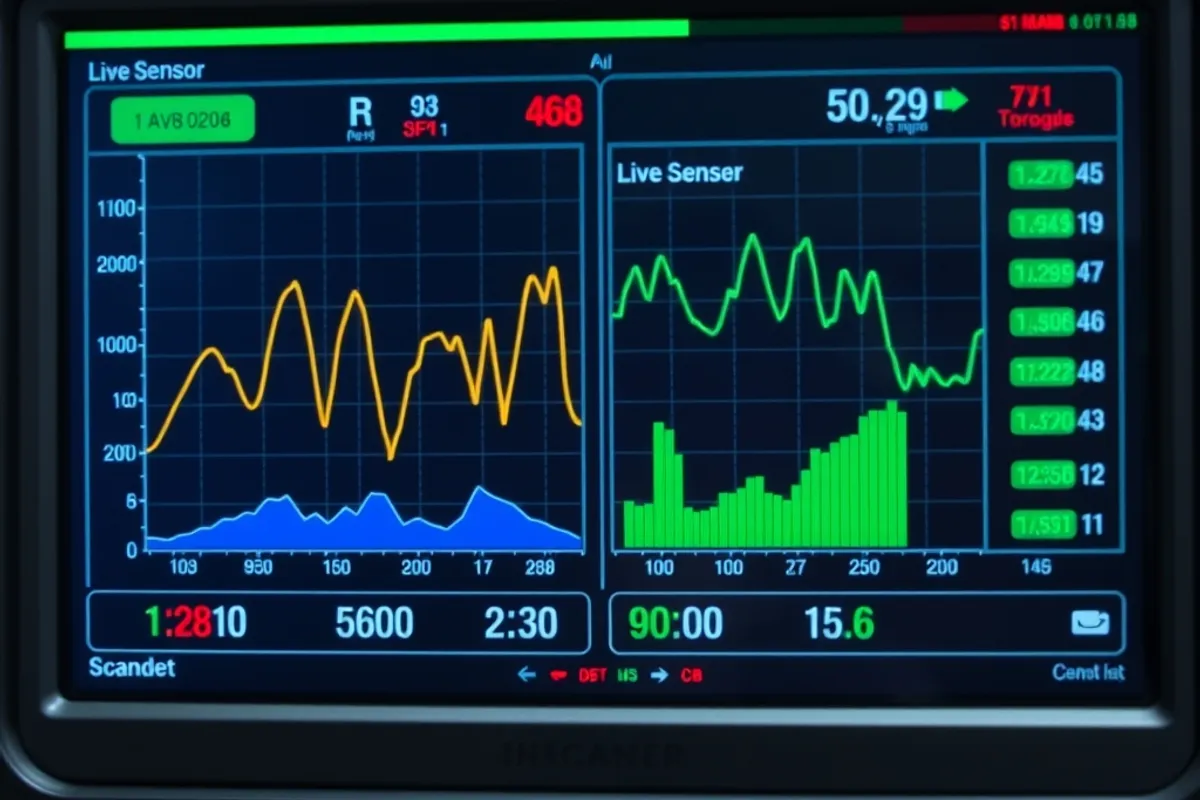
A scanner that only lists codes is a starting point. Live data shows what the engine computer sees right now: coolant temperature, mass airflow, fuel trims, oxygen sensor switching, throttle position and battery voltage. Short-term fuel trim climbing to plus 20 percent at idle points to a vacuum leak; a lazy oxygen sensor shows a flat waveform.
Freeze-frame data is the snapshot taken when the fault triggered. It tells you the engine speed, load and temperature at the moment of failure, which is often the difference between a five-minute fix and a parts cannon. Before you clear anything, photograph or export the freeze frame.
App-based dongles versus handheld tools
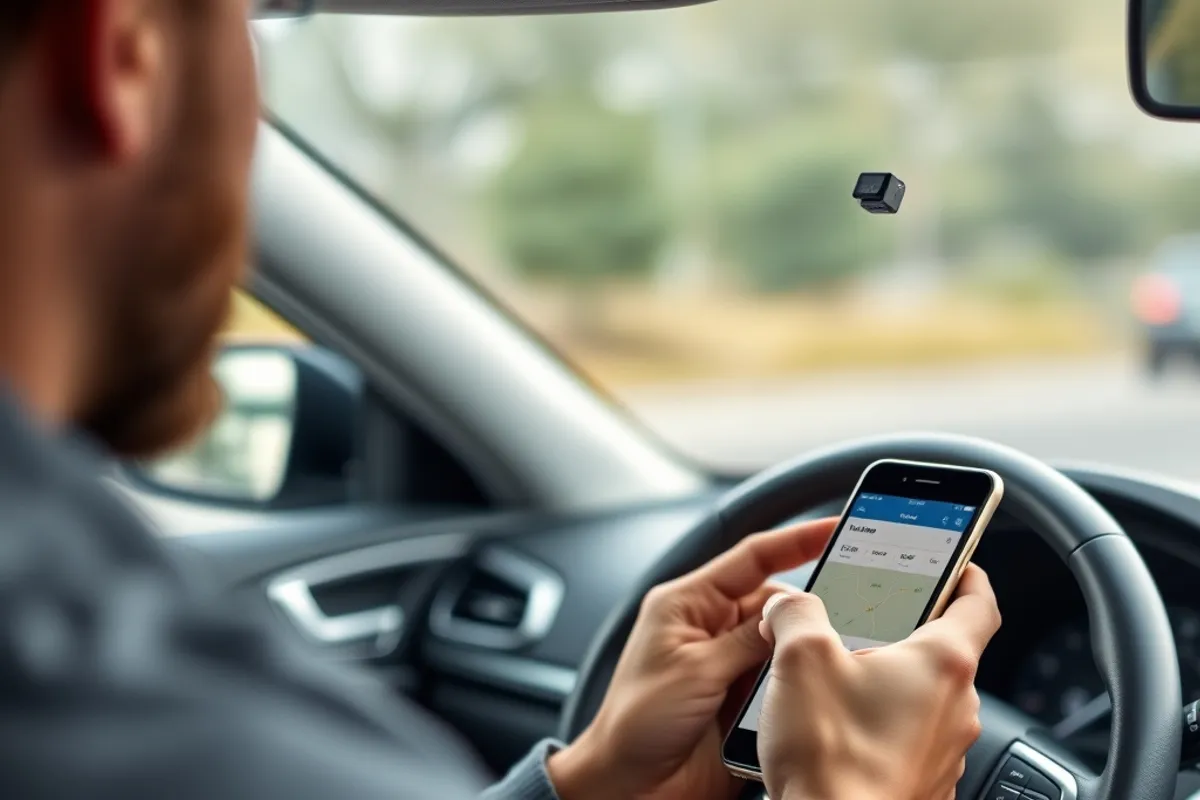
App-based adapters are cheap and convenient, but quality varies wildly. A good adapter with a well-supported app can graph live data and log a drive. A bad one disconnects, drains the battery or cannot talk to all modules. Check that the adapter supports the protocols your car uses, and avoid leaving it plugged in for weeks.
Handheld tools boot instantly, work without a phone and often survive a drop. They cost more for the same basic function, but the good ones include a code library with likely causes and step-by-step tests. If you diagnose regularly, buy a handheld and keep a cheap dongle in the glovebox.

The scanner finds the symptom. The mechanic finds the cause. Never confuse the two.
The features worth paying for
Look for ABS and airbag module access, because those codes are invisible to basic readers and common on older cars. Look for service resets if you change your own oil or rear brakes. Look for bidirectional control if you want to test a cooling fan, an EGR valve or an electronic parking brake.
Skip anything that promises full manufacturer coverage at a bargain price unless you can verify it on your own car. Subscription costs matter too: a $200 tool with a $120 annual update is more expensive over five years than a $400 tool with free updates. Check the update policy before you buy.
Using a scanner safely
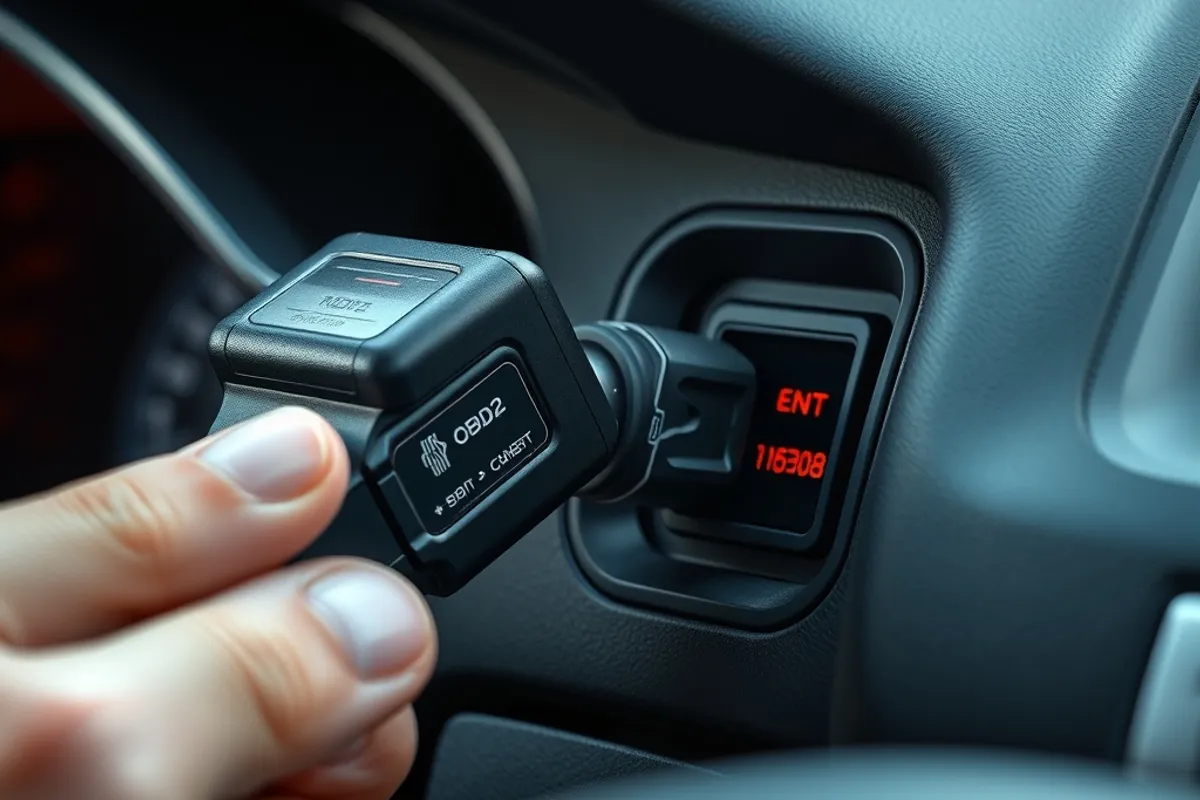
Plug the adapter in with the ignition off, then switch on. Do not clear codes to make a warning light go away before you have recorded them, and never clear codes right before an emissions test, because the readiness monitors need a full drive cycle to set.
If the scanner shows a code you do not understand, search the exact code plus your engine and year, and compare at least two sources. A generic description can be misleading on a specific model. When the fault involves brakes, steering or a high-voltage hybrid system, stop and use a qualified technician.
The verdict for 2026
For most owners, a $90 handheld plus a $25 Bluetooth dongle covers everything a DIYer needs. If you own an older car with ABS or airbag faults, spend the extra $80 for module access. If you maintain several vehicles, the $300 to $500 tier pays for itself the first time it saves a misdiagnosed part.
Whichever you choose, learn to read live data and freeze frames before you learn to clear codes. Our guide to reading engine fault codes walks through the process step by step, and the rest of Car Diagnostics covers warning lights and battery testing.
Official source: nhtsa.gov.