Fleet software promises a single dashboard for vehicles, drivers, maintenance and fuel. In practice, the platforms differ sharply in what they do well: some are telematics-first with excellent live tracking, others are maintenance-first with a strong work-order system, and a few are built for small fleets that need something simple this month.
We compared seven platforms on hardware, per-vehicle pricing, contract length, maintenance features and reporting. The goal is not a ranking of everything; it is a shortlist matched to how your fleet actually operates.
Key facts
- Telematics plans typically cost $15 to $45 per vehicle per month, hardware included.
- Maintenance-only software can start under $5 per vehicle per month.
- Most contracts run 12 to 36 months; ask for month-to-month on small fleets.
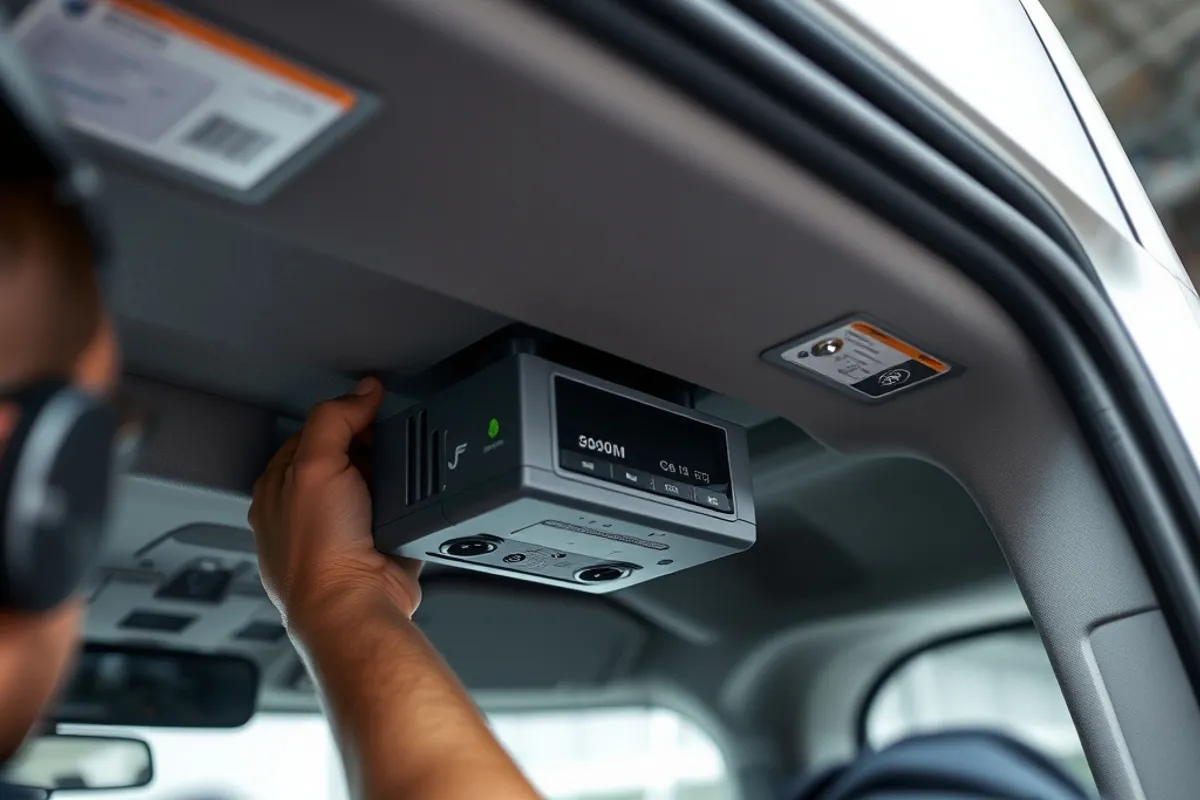
- Hardware installation is often free but may add $50 to $150 per vehicle if wired.
- Fuel-card integration and API access are usually paid add-ons.
What fleet software should do
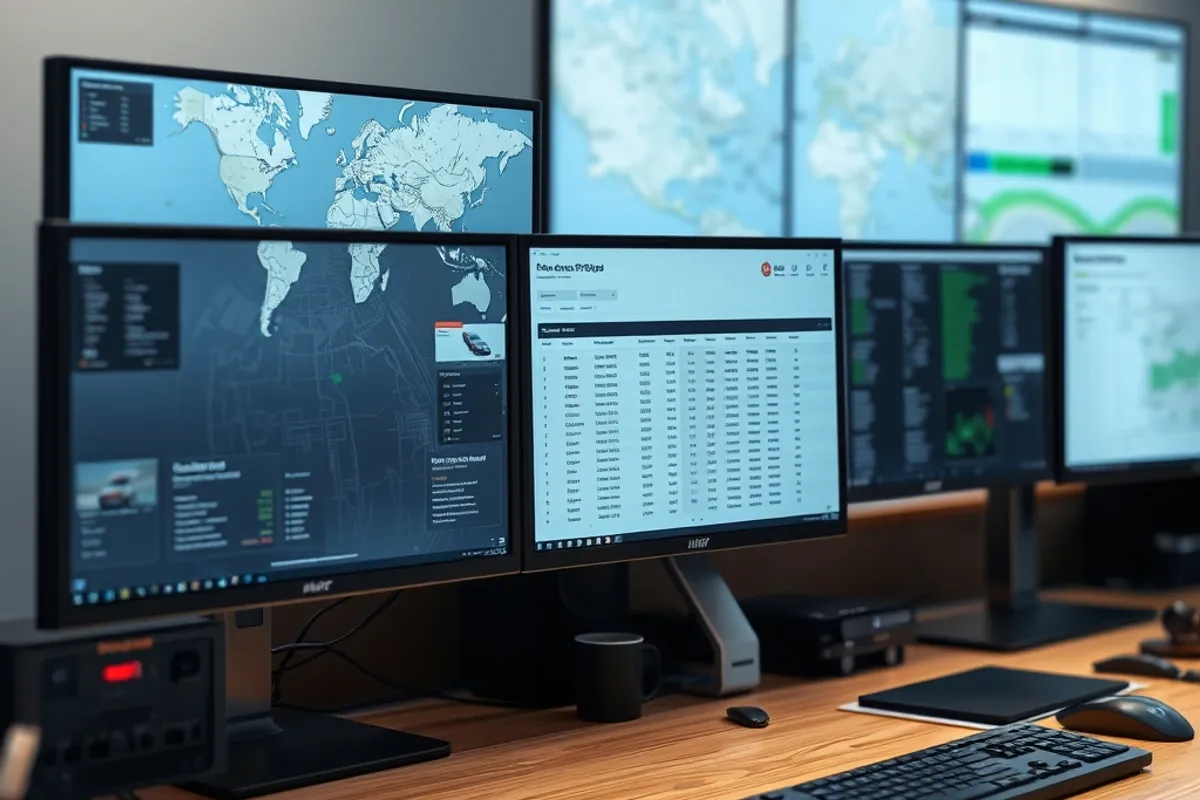
A good platform answers four questions quickly: where is each vehicle, who is driving it, what maintenance is due, and what is it costing per mile. Live location is the easiest feature to sell and the least valuable on its own. The value comes when location, engine data, driver behaviour and maintenance records sit in one place and produce an exception report you actually read.
If you cannot name the report you want before the demo, you will end up paying for dashboards nobody opens. Start with the three decisions you make weekly, such as dispatch, maintenance approval and driver coaching, and test the software against those.
The seven platforms compared
Samsara: the strongest all-round telematics and camera platform, with excellent live data and a high price to match. Motive: strong compliance and driver workflow tools, popular with mixed fleets. Verizon Connect: broad coverage and mature reporting, though contracts can be long. Geotab: the most flexible data platform, ideal if you want to build integrations.
Fleetio: maintenance-first, excellent work orders and parts tracking, best paired with a separate telematics provider. Azuga: a good mid-market option with video and driver scoring at a lower entry point. Wialon: a white-label platform for resellers and fleets that want custom hardware, not a turnkey service.
Pricing and contract traps
Per-vehicle pricing looks simple until you add camera subscriptions, fuel-card integration, API access and extra users. Ask for the total monthly cost at your exact fleet size, including hardware, installation, taxes and any minimum term. A quote that is 30 percent lower often excludes the features you asked for.
Contracts are the bigger trap. Three-year terms are common and hard to exit if the hardware underperforms. For fleets under twenty vehicles, insist on month-to-month or a 12-month term with a performance review. Check what happens when you sell a vehicle mid-term: some providers keep charging until the hardware is returned.

Maintenance tracking that saves money
The best maintenance modules trigger work by mileage, engine hours or fault codes, not by memory. They store parts costs, labour and invoices against each vehicle, so you can see cost per mile and decide when a unit should be replaced. They also handle warranty and recall tracking, which small fleets routinely miss.
Look for a driver inspection app with photo attachments. A daily walk-around that flags a bad tyre or a new warning light prevents roadside breakdowns far more cheaply than reactive repairs. If the software cannot do this on a phone in under two minutes, drivers will not use it.
Software does not manage a fleet. It shows you where the money is leaking.
Driver coaching and privacy
Driver scoring works when it is transparent and fair. Harsh braking on a wet day is not the same as harsh braking on a dry one, and a score without context creates resentment. Choose a platform that shows drivers their own data, explains the events and lets managers coach with evidence rather than accusation.
Privacy rules matter. In many regions you must tell employees what is monitored and when. Tracking outside working hours can be unlawful. Configure ignition-based tracking, publish a clear policy and involve drivers in the rollout. The best software still fails if the team does not trust it.

Fuel cards, EVs and integrations
Fuel-card integration closes the loop between litres purchased and miles driven. Without it, fuel cost per mile is an estimate. Check whether the platform imports your card provider's data directly, and whether it can flag odometer mismatches and out-of-area purchases.
For electric fleets, look for charging-session import, cost per kWh, and state-of-charge monitoring. Telematics can show where a vehicle was charged and how much range was used, which is essential for reimbursing home charging fairly. Some platforms still treat EVs as an afterthought.
The verdict for 2026
For a mixed fleet that needs live tracking, cameras and compliance in one place, Samsara or Motive are the safe picks. For a maintenance-led operation, pair Fleetio with a cheaper telematics device. For a small fleet that wants to start this month, Azuga offers the quickest path without a long contract.
Whichever you choose, run a 30-day pilot on five vehicles and measure one number: unplanned downtime hours. If the software does not reduce it, the subscription is not earning its place. For the fuel side of the equation, read our nine ways to cut fleet fuel costs, and browse Fleet Management.
Official source: afdc.energy.gov.