Shock absorbers do not usually break. They fade. A damper that has done 80,000 miles still holds oil and still passes a visual check, but it can no longer control the spring fast enough to keep the tyre pressed to the road. The result is longer braking distances, uneven tyre wear and a car that feels nervous in the wet.
These are the eight signals our workshop testers use, in the order they usually appear, plus the checks that separate a worn damper from a worn bushing or a bad tyre.
Key facts
- Most manufacturers suggest inspecting dampers from 50,000 miles and replacing by 80,000 to 100,000 miles.
- A pair of front shocks costs $250 to $600 in parts; labour is $150 to $400.
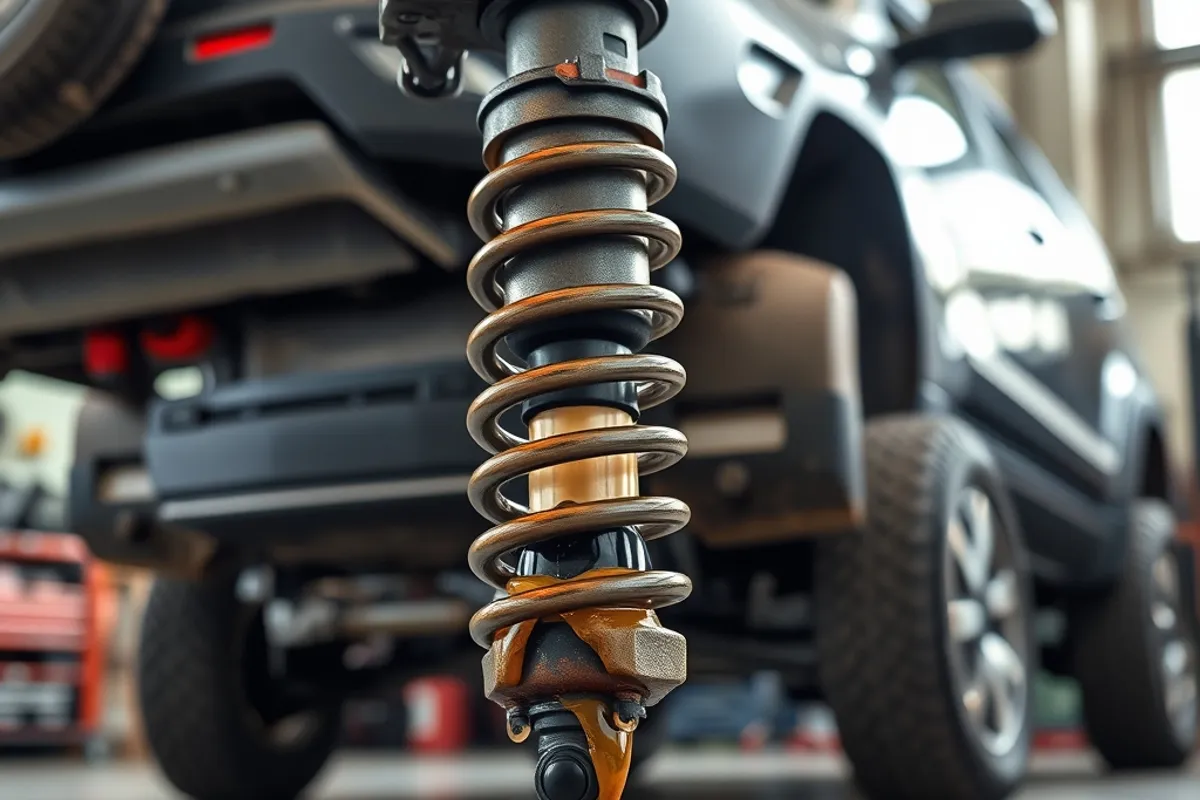
- Leaking oil on the damper body is the only fully conclusive visual sign.
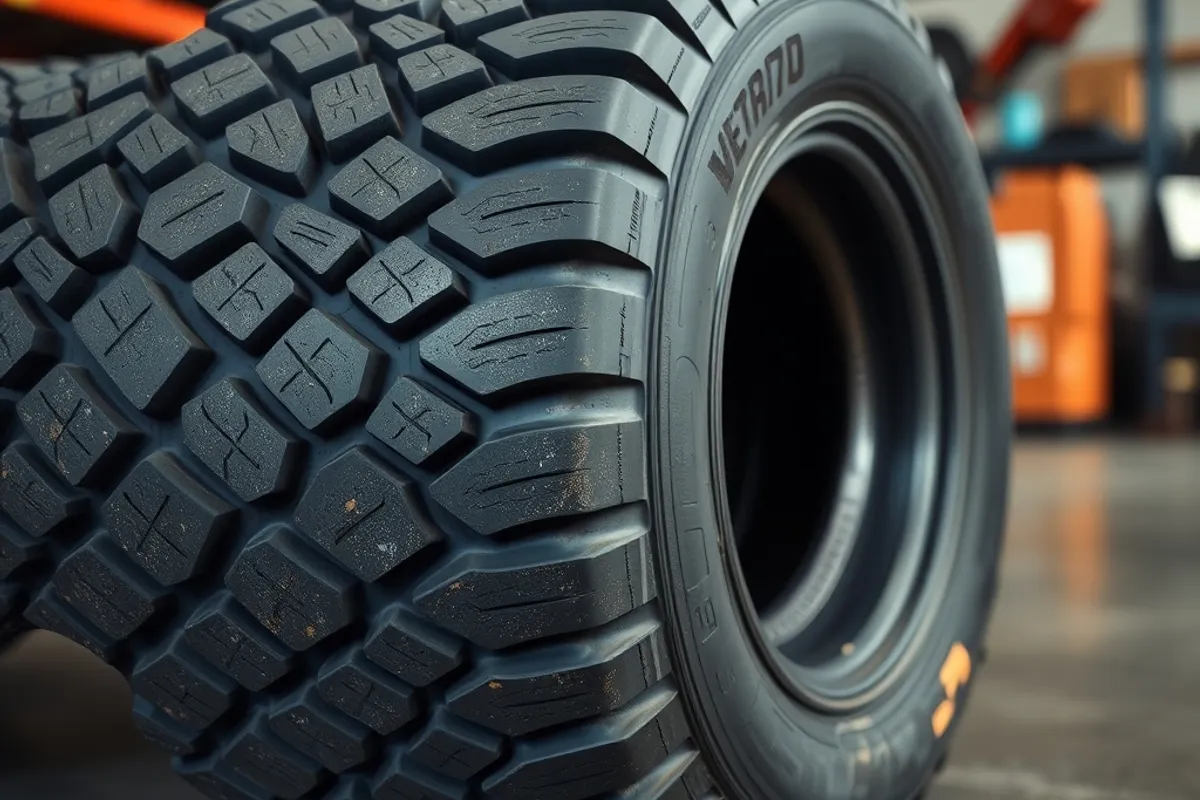
- Cupped or scalloped tyre wear often points to damping, not alignment.
- Worn dampers can add several metres to a wet-road stop from 60 mph.
How a damper actually wears
Inside every shock is a piston moving through oil, with valves that resist motion in compression and rebound. Heat, contamination and hundreds of thousands of small cycles slowly wear the piston seal. Nitrogen charge escapes, aeration begins, and the damper starts to lose force at exactly the speeds where control matters.
Because the loss is gradual, drivers adapt without noticing. They brake earlier, take corners slower and blame the tyres. By the time the car feels genuinely bad, the dampers are usually well past their best, and the tyres have already paid the price.
The eight warning signs
One: the car keeps bouncing two or three times after a speed bump instead of settling once. Two: the nose dives dramatically under braking. Three: the body rolls further than it used to in roundabouts. Four: the rear squats under acceleration and feels light when you lift off.
Five: uneven or cupped tyre wear, especially on the inner or outer shoulder. Six: clunking over small bumps, often the top mount rather than the damper itself. Seven: oil mist or streaks on the damper body. Eight: a steering wheel that shimmies at speed over patched roads, with no wheel-balance fault.
The two-minute bounce test
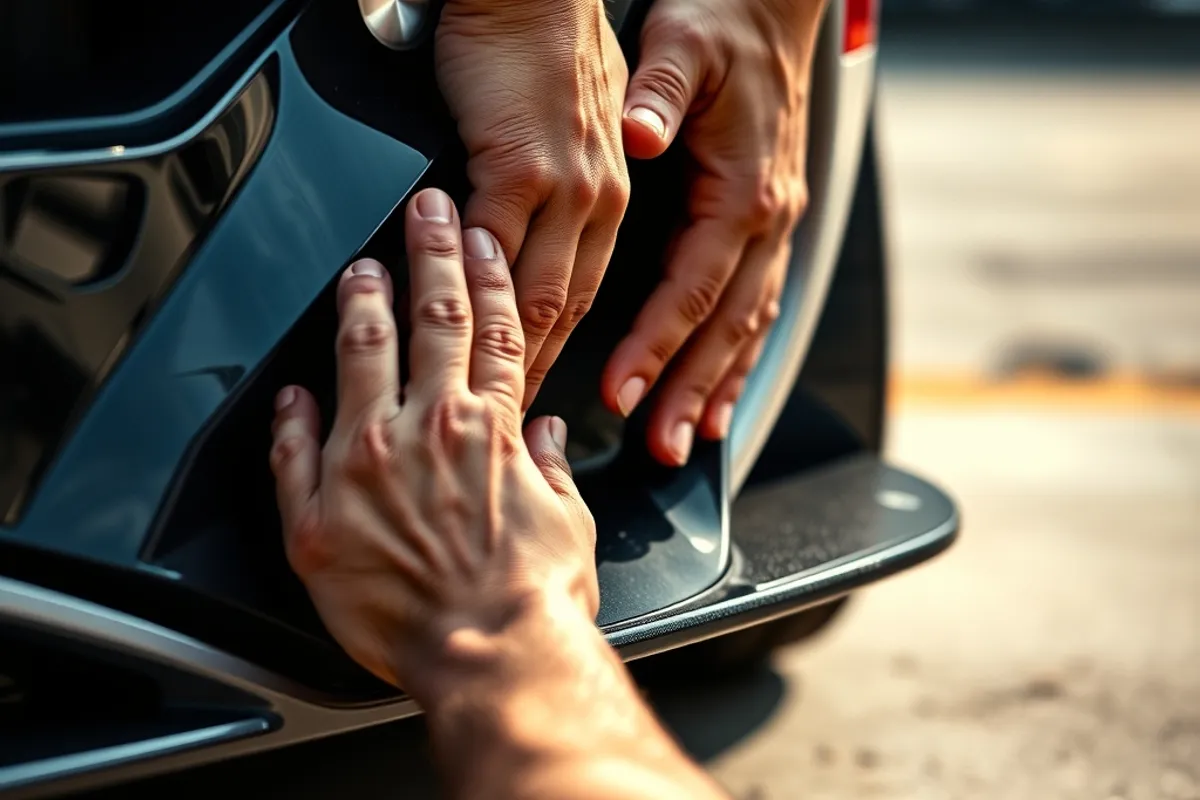
With the car parked on level ground, press down hard on one corner and release. A healthy damper lets the body rise and settle within one rebound. If it keeps rocking, that corner is suspect. Repeat on all four corners and compare. A difference side to side is more telling than an absolute number.
The test is not definitive. Gas-charged dampers can still feel stiff while being worn, and a stiff spring can mask a tired shock. Treat it as a screening tool, then confirm with a road test on a known bumpy stretch at normal speed.
What a workshop should check
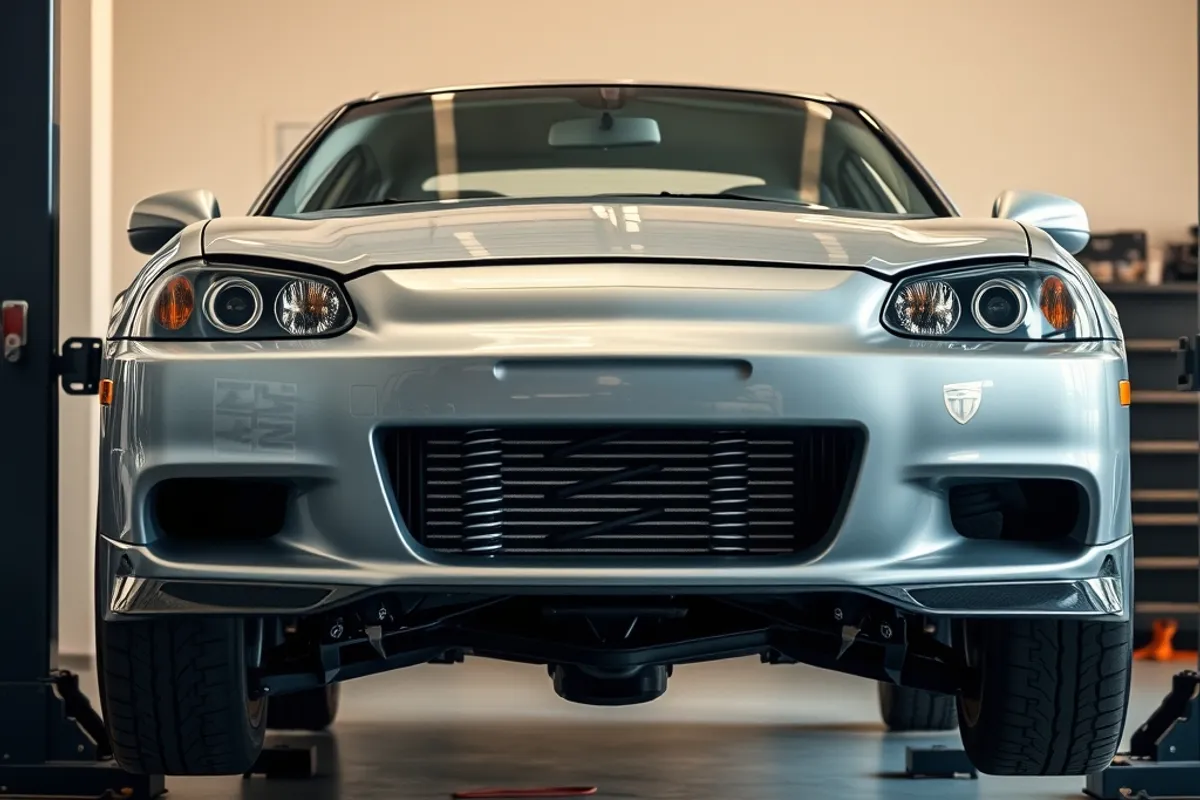
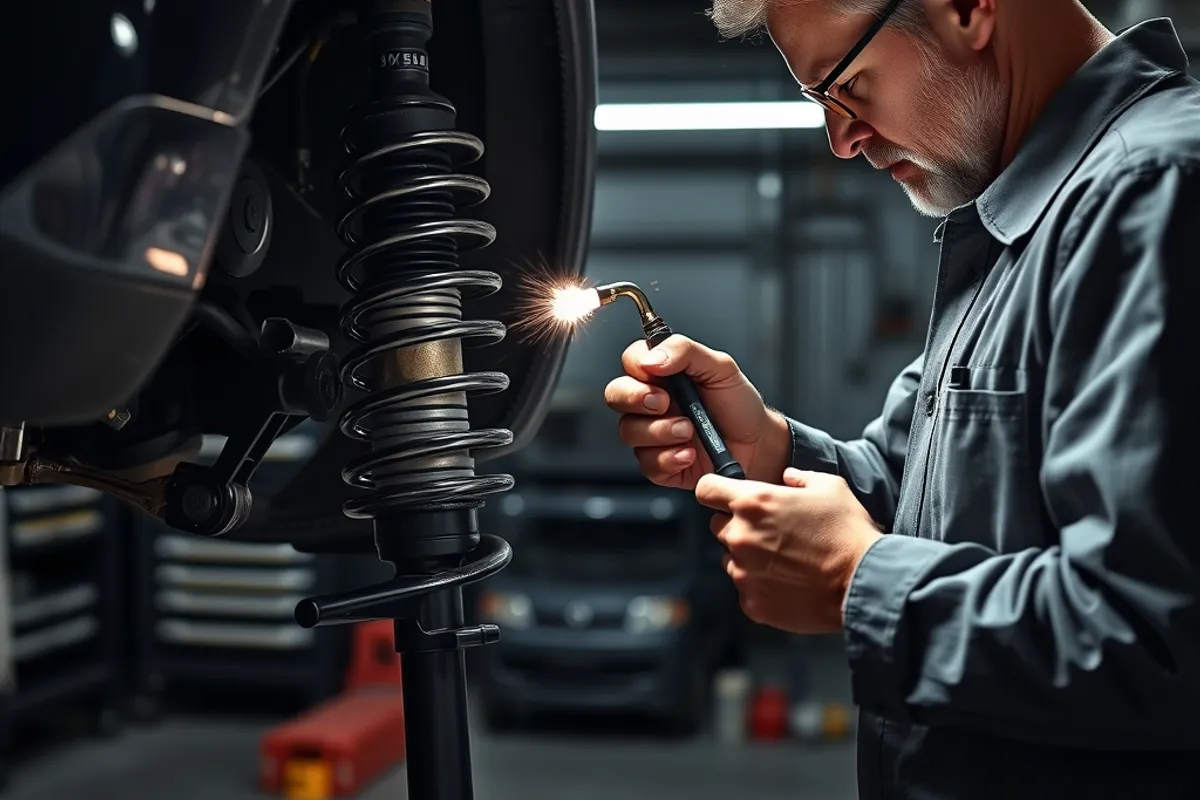
A proper inspection puts the car on a lift and looks for oil residue, torn dust boots, cracked top mounts and worn bushings. The tester should push each corner while watching the damper shaft, then check tyre pressures and wear patterns before blaming the suspension.
Ask for the before-and-after road test notes. A good shop will also check the sway bar links and control arm bushings, because those produce the same clunks and rattles. Replacing dampers will not fix a noise that comes from a $30 link.
Dampers fail quietly, then send the bill to your tyres, your brakes and your nerves.
Replacement costs in 2026
Parts prices depend on the car. A common compact needs $250 to $450 for a pair of front struts, plus mounts and bump stops. An SUV or a car with adaptive dampers can run $800 to $2,000 per corner, and some electronically controlled units need programming after installation.
Labour is usually one to two hours per axle. Always replace both sides on the same axle, even if only one is leaking, because mismatched damping makes the car unpredictable in an emergency. Add a four-wheel alignment at the end, and expect $600 to $1,200 all-in for a typical family car.

Repair, upgrade or leave it
If the car is a keeper and mostly original, fit quality standard dampers. They are tuned for the springs, they are quiet, and they preserve resale. If you regularly carry loads or tow, a mild upgrade with firmer damping is worth the extra $100 to $200 per axle.
Do not fit lowering springs to worn dampers, and do not fit cheap no-name shocks to a heavy vehicle. If you want a change in ride height or stiffness, read our coilovers versus struts comparison and budget for the whole job, not just the parts.
The verdict for 2026
If you can count more than two of the eight signs, book an inspection. Dampers are a safety item, and the difference between a worn set and a fresh set is felt in the first hundred metres, especially in the wet. The repair is rarely glamorous, but it is one of the best value fixes on any older car.
Replace in pairs, keep the receipt, and note the mileage. A documented suspension refresh helps at resale and gives you a baseline for the next inspection. Browse the rest of our Suspension Systems guides for spring, bushing and alignment advice.
Official source: nhtsa.gov.