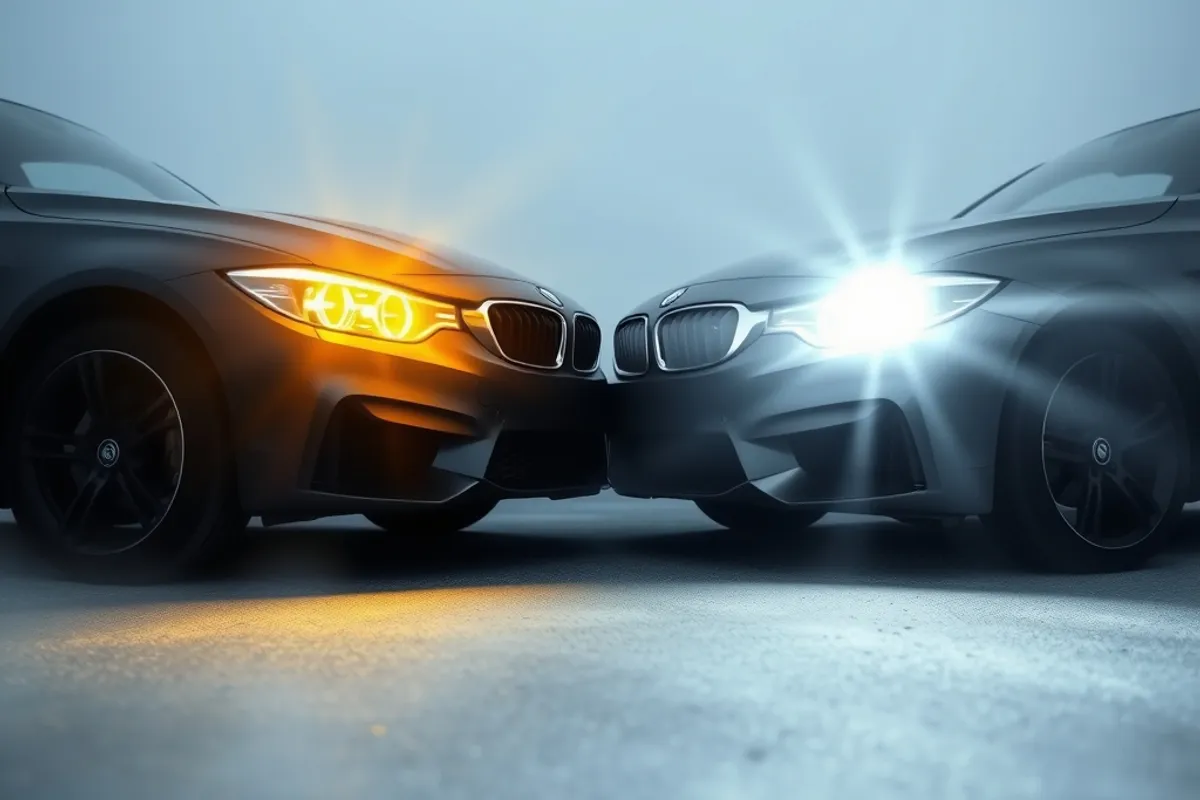
LED bulb upgrades are the most popular lighting change in 2026 and the most misunderstood. A bulb that looks brilliant in a driveway can throw glare into oncoming traffic, fail an inspection and make the road ahead worse. The difference is not brightness; it is how closely the LED chip mimics the filament position the housing was designed around.
We tested six widely available kits in projector and reflector housings, measured the beam cut-off against a wall, and checked legality in the main markets. These are the picks that behaved, and the ones to avoid.
Key facts
- LED retrofits are only road-legal where the housing is approved for them; check local rules first.
- A good LED kit costs $60 to $180; premium projector-specific kits reach $250.
- Colour temperature of 4,000K to 5,000K gives the best wet-road visibility.
- Beam pattern matters more than lumen output; glare is caused by poor chip geometry.
- Headlights must be re-aimed after any bulb or housing change.
The legality question, honestly
In the United States, fitting an LED bulb to a halogen housing is not automatically legal. FMVSS 108 regulates the complete lamp assembly, and aftermarket bulbs that are not part of an approved assembly can fail state inspection. Some states enforce this strictly; others rarely check. In Europe, only bulbs with the correct approval mark for the housing are permitted.
The safe rule is simple: if the manufacturer does not list your housing as compatible, do not fit the bulb and expect to be legal. A complete approved LED assembly costs more, but it is the only route that is both compliant and optically correct.
Why beam pattern beats brightness
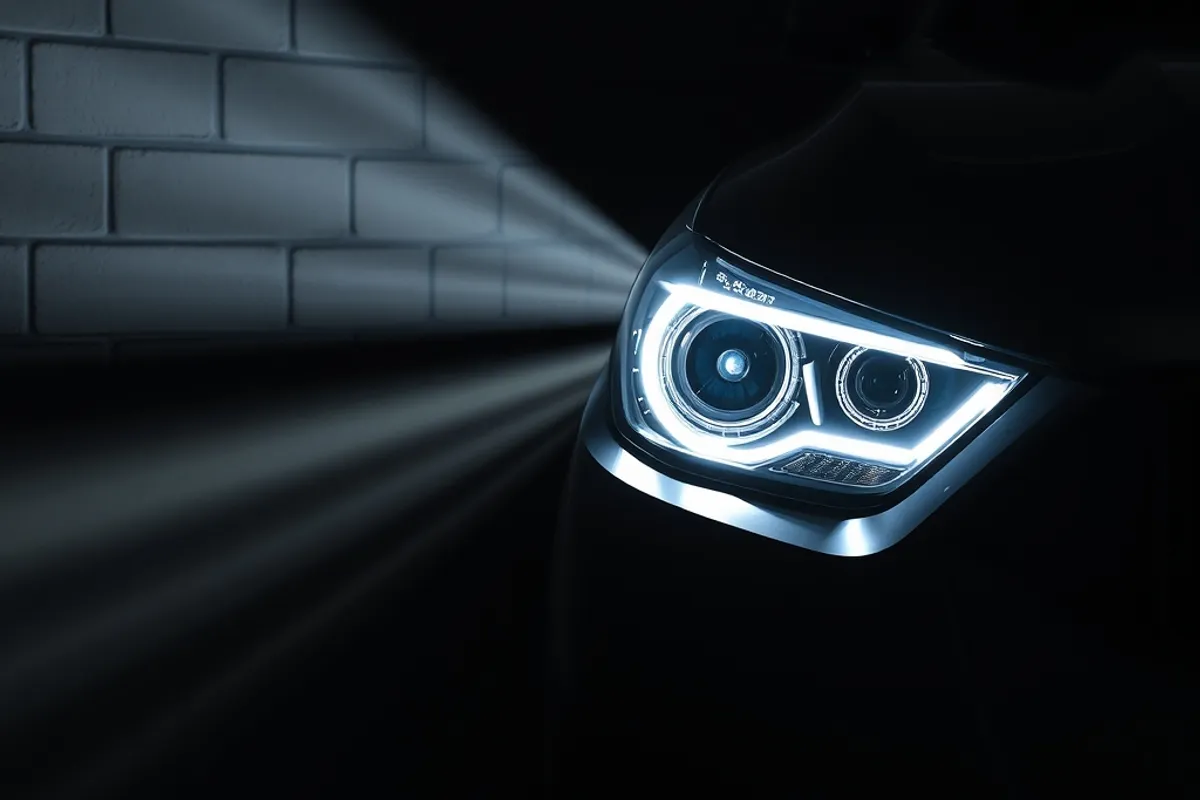
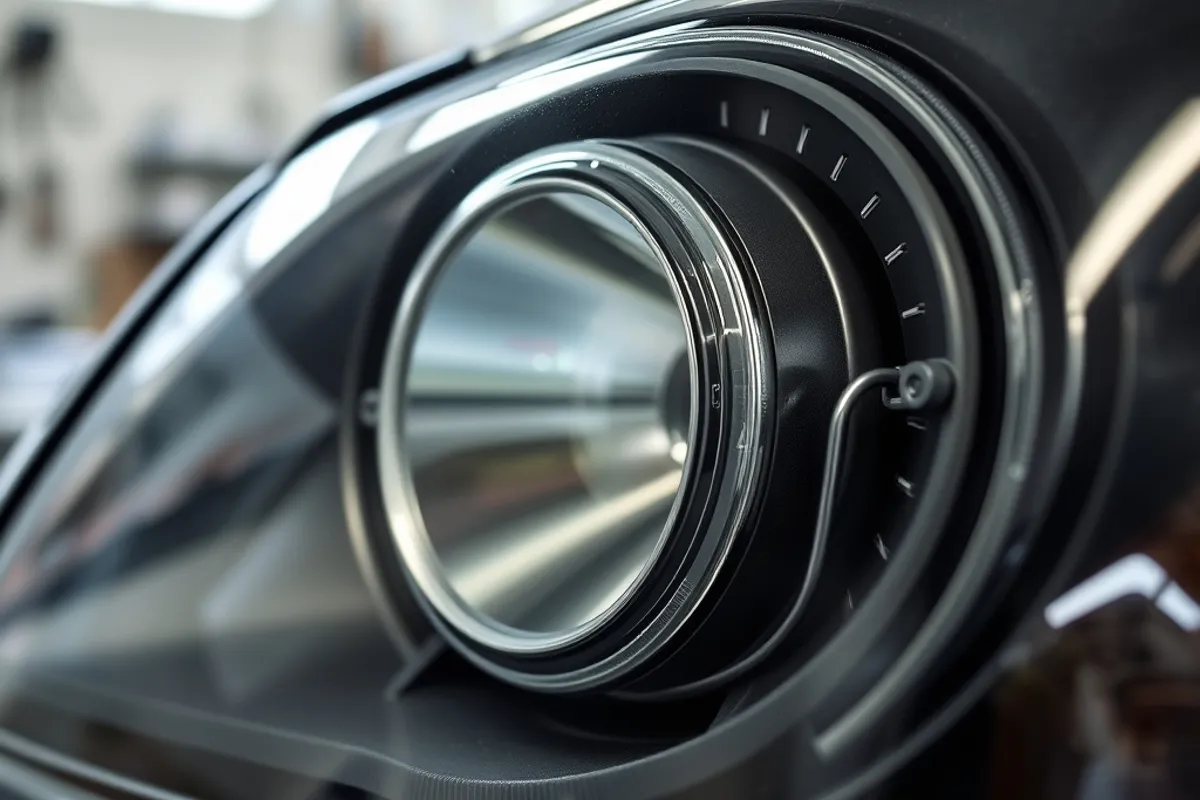
A halogen housing is designed around a small filament at a precise point. The reflector or projector shapes that light into a cut-off with a bright hotspot and controlled spread. An LED chip that sits even two millimetres off that point sends light above the cut-off, which is glare, and leaves dark patches where you need light most.
When we tested, the best kits produced a cut-off within a few centimetres of the halogen baseline at five metres. The worst scattered light above the line and lit the treetops. Lumen figures tell you nothing about this. Only a wall test and a road test do.
The six picks
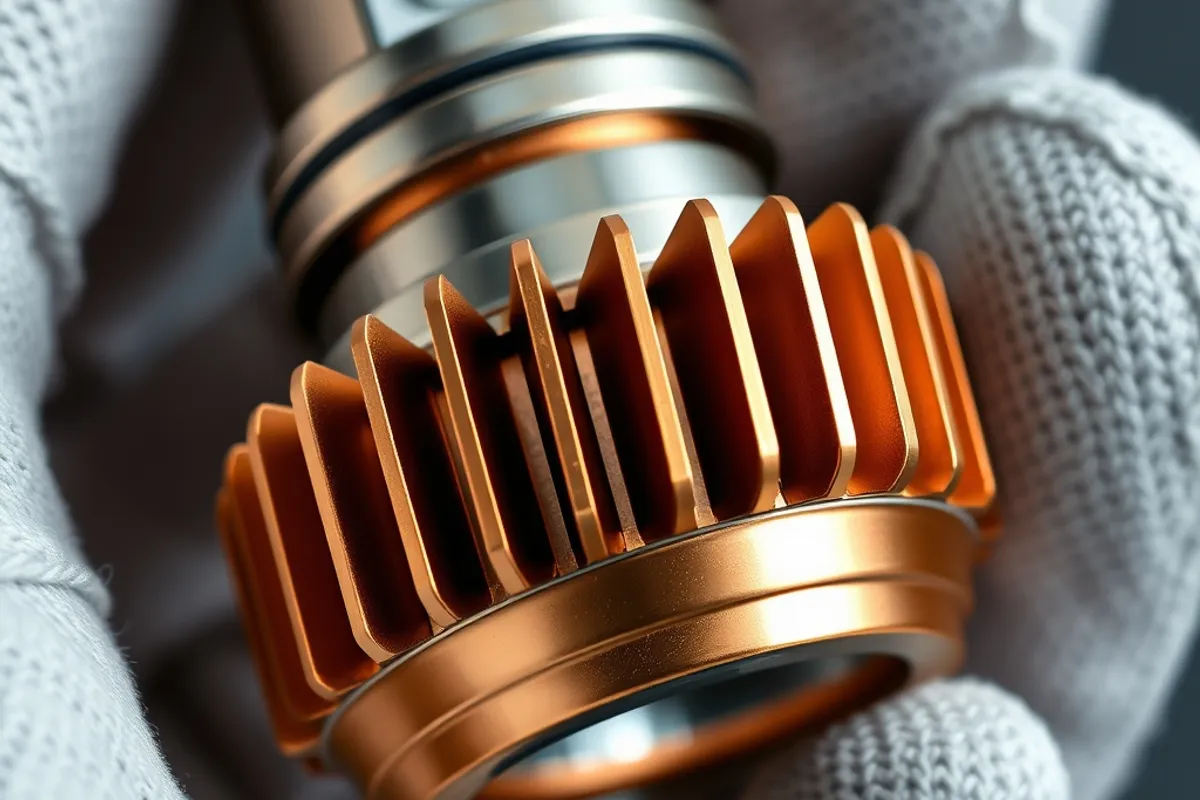
Best overall for projector housings: a compact kit with a rotatable collar, 4,300K colour and a measured output close to a good halogen. Best budget: a simple two-sided kit around $60 that held its pattern well in a projector but was mediocre in a reflector. Best for reflector housings: a purpose-built kit with a shielded low beam, which reduced glare noticeably in our test.
Best for trucks and vans: a higher-output kit with a robust heatsink and a proper CANbus module, though aim it carefully because the housing sits higher. Best for classic cars: a warm-white 3,000K kit that keeps the period look and works well in rain. Best complete assembly: an approved LED headlamp unit for popular models, which is the only fully legal route.
Colour temperature and wet-road visibility
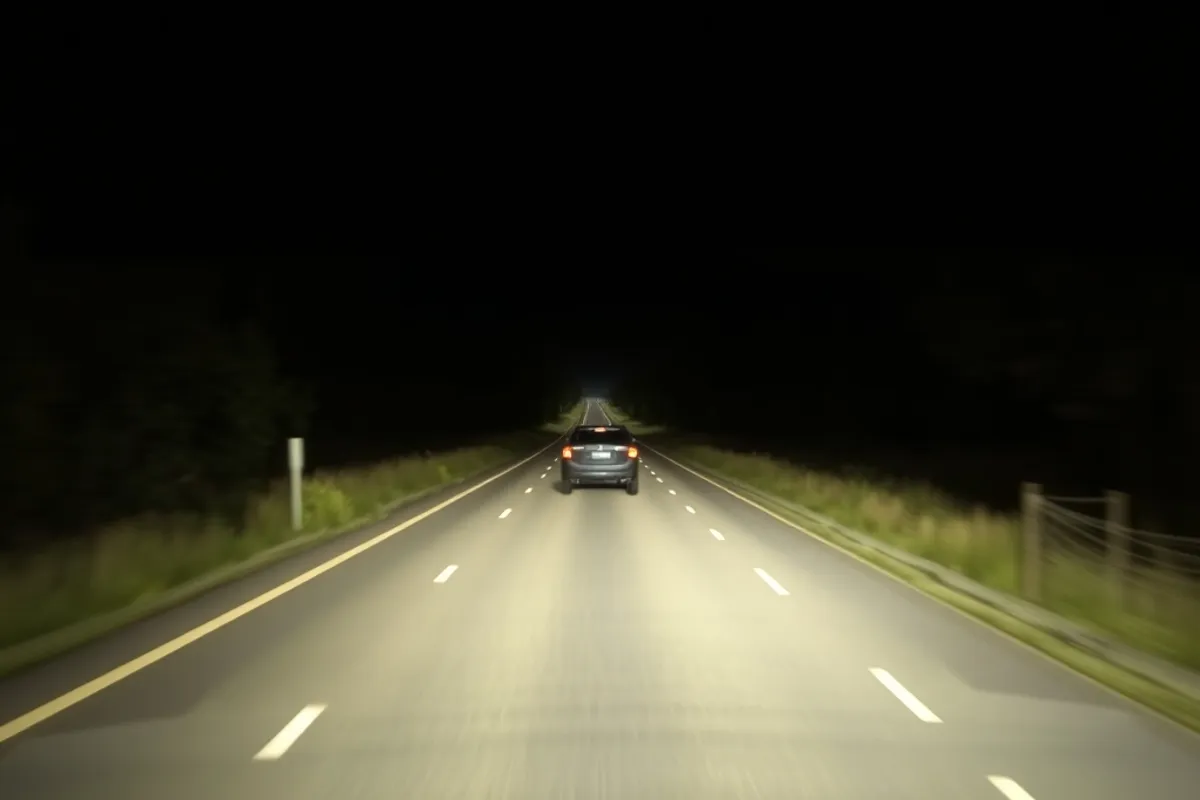
Blue-white light looks modern and performs poorly in rain. Water droplets scatter short wavelengths, so a 6,500K bulb throws glare back at the driver and reduces contrast on wet asphalt. A 4,000K to 5,000K bulb gives a crisp white light without the blue penalty, and a 3,000K option is better still in fog and heavy rain.
Match the two sides. Fitting one 6,000K bulb and one 4,300K bulb looks odd and can fail an inspection. If you replace one, replace the pair, and keep the old working bulb as a spare.
A headlight is an optical instrument, not a torch. Respect the housing.
Flicker, CANbus and heat
Many modern cars pulse the headlight circuit to check for a blown bulb. An LED with low resistance can flicker, trigger a warning or shut off. A CANbus-ready kit or a separate load resistor solves it, but resistors get hot and should be mounted on metal, not plastic.
Heat is the other issue. LEDs are efficient, but the driver electronics are not. A kit with a braided heatsink needs airflow behind the dust cap. If the housing is sealed, choose a kit with an external driver you can mount outside the cap, or you will cook the bulb within a year.
Aiming the beam in ten minutes
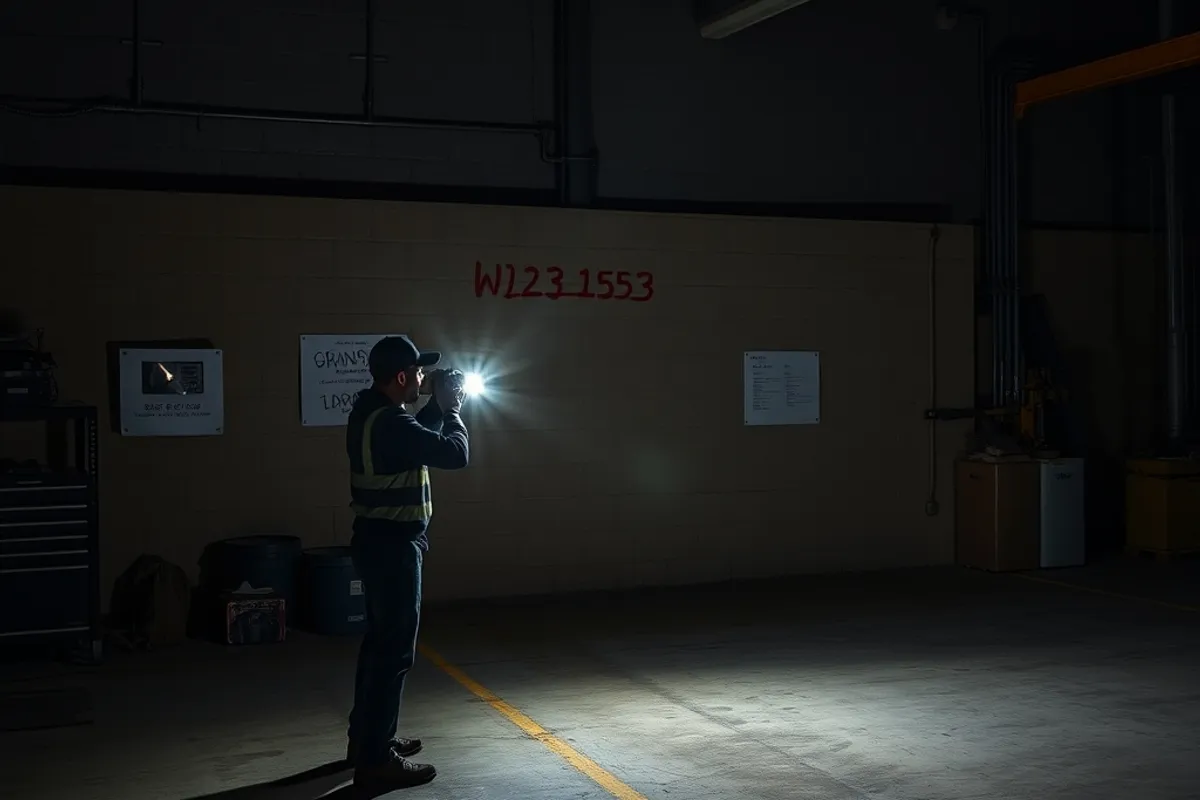
Park on level ground facing a wall five metres away. Mark the vertical centre of each headlight and the horizontal cut-off height on the wall with tape. With the car loaded as normal, adjust each lamp so the cut-off sits slightly below the mark and the hotspot is centred, then check that the left lamp does not rise into oncoming traffic.
Take a road test and watch for glare in the mirrors of cars ahead. If you can see your beam in their rear-view mirror at normal following distance, the lights are too high. Re-aim and repeat. Ten minutes here is worth more than any bulb upgrade.
The verdict for 2026
If your car has projector housings and you can buy an approved or genuinely compatible kit, a 4,300K LED is a sensible upgrade. If it has reflector housings, stick with a quality halogen or fit a complete approved LED assembly. Brightness without pattern is not an upgrade; it is a hazard with a receipt.
For fog and wet-weather driving, read our yellow versus white fog light comparison. For the rest of our lighting tests, browse Automotive Lighting.
Official source: nhtsa.gov.