The check engine light is not a bill. It is a message, and reading it properly is a skill any driver can learn in an afternoon. With a basic scanner and a notebook, you can capture the fault, understand which system it belongs to, and decide whether to fix it yourself or hand the car to a specialist with a clear brief.
This guide covers the full sequence: when to stop driving, how to connect safely, how to record codes and freeze frames, how to group the results and the five mistakes that turn a simple fault into an expensive one.
Key facts
- A steady check engine light usually allows gentle driving; a flashing light means stop.
- Generic codes start with P, B, C or U and cover powertrain, body, chassis and network faults.
- Freeze-frame data records the conditions when the fault was set.
- Disconnecting the battery clears codes but also wipes readiness monitors.
- Never replace a sensor based on a code alone; test the circuit first.
Steady light versus flashing light
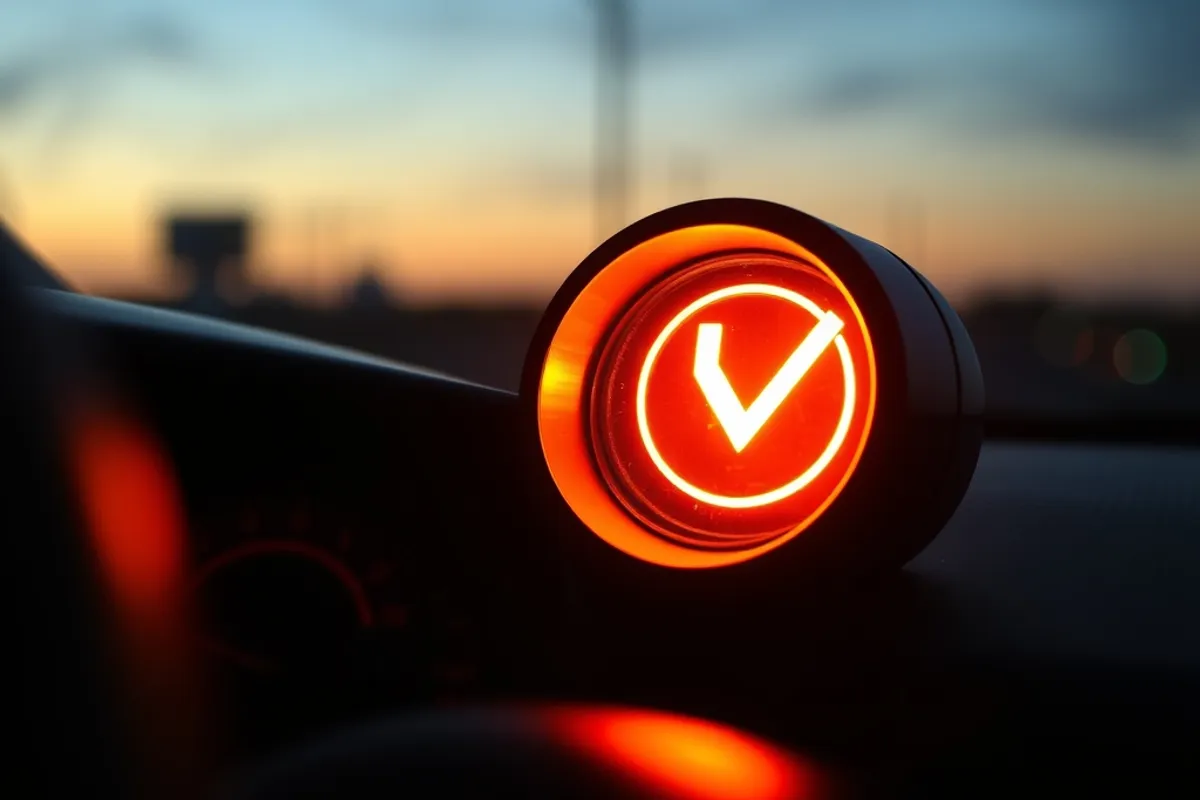
A steady check engine light means the computer has detected a fault and stored it. The car is usually safe to drive to a garage, though you should avoid hard acceleration and long trips until you know what it is. Check the coolant and oil levels before you start the engine again.
A flashing check engine light is different. It means a fault is actively damaging the catalytic converter, most often a misfire dumping raw fuel into the exhaust. Pull over safely, switch off and arrange recovery. Driving on a flashing light can turn a $120 coil pack into a $1,500 converter.
Connecting the scanner correctly
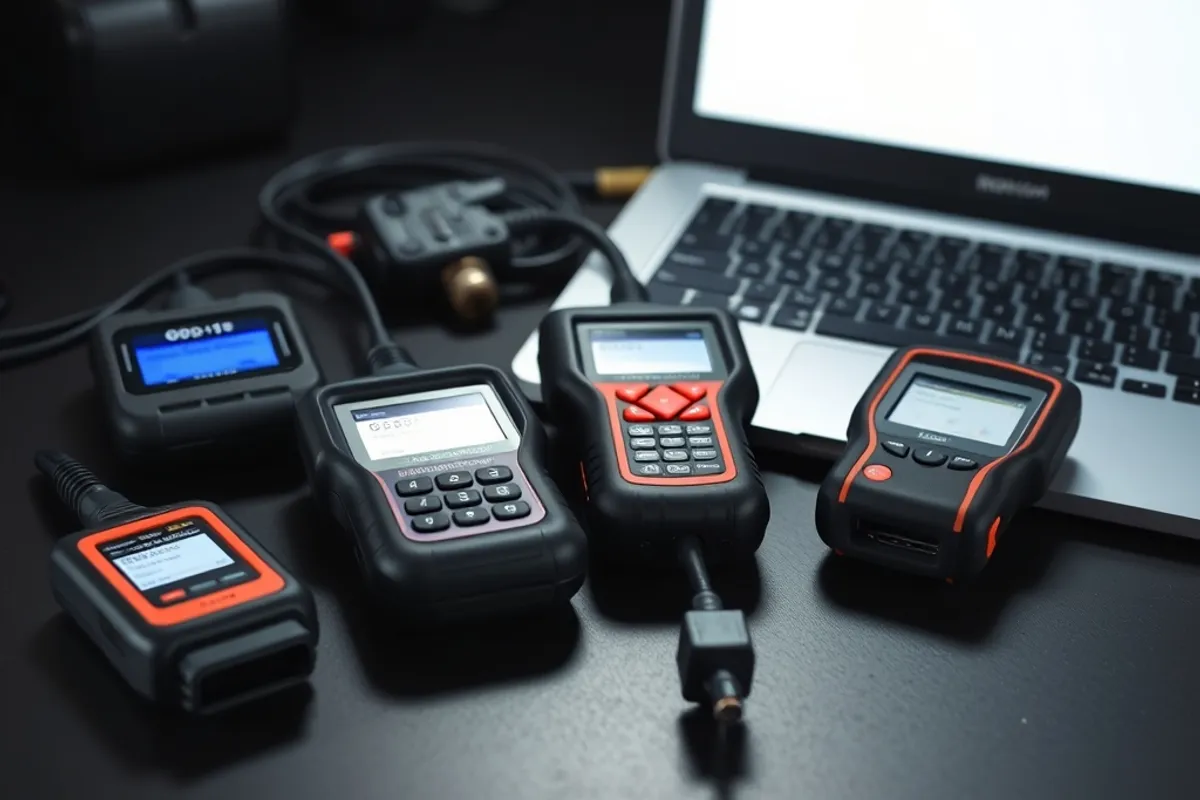
Find the OBD2 port, usually under the dash on the driver's side. Switch the ignition off, plug in the scanner, then turn the ignition to on without starting the engine. Let the tool boot and select the vehicle if it asks. Read codes before you touch anything else.
If the tool cannot connect, check the fuse that feeds the port, and make sure the ignition is on. A dead port is itself a clue: it can point to a blown accessory fuse or a wiring fault. Do not force the connector or wiggle it while powered.
Recording codes and freeze frames
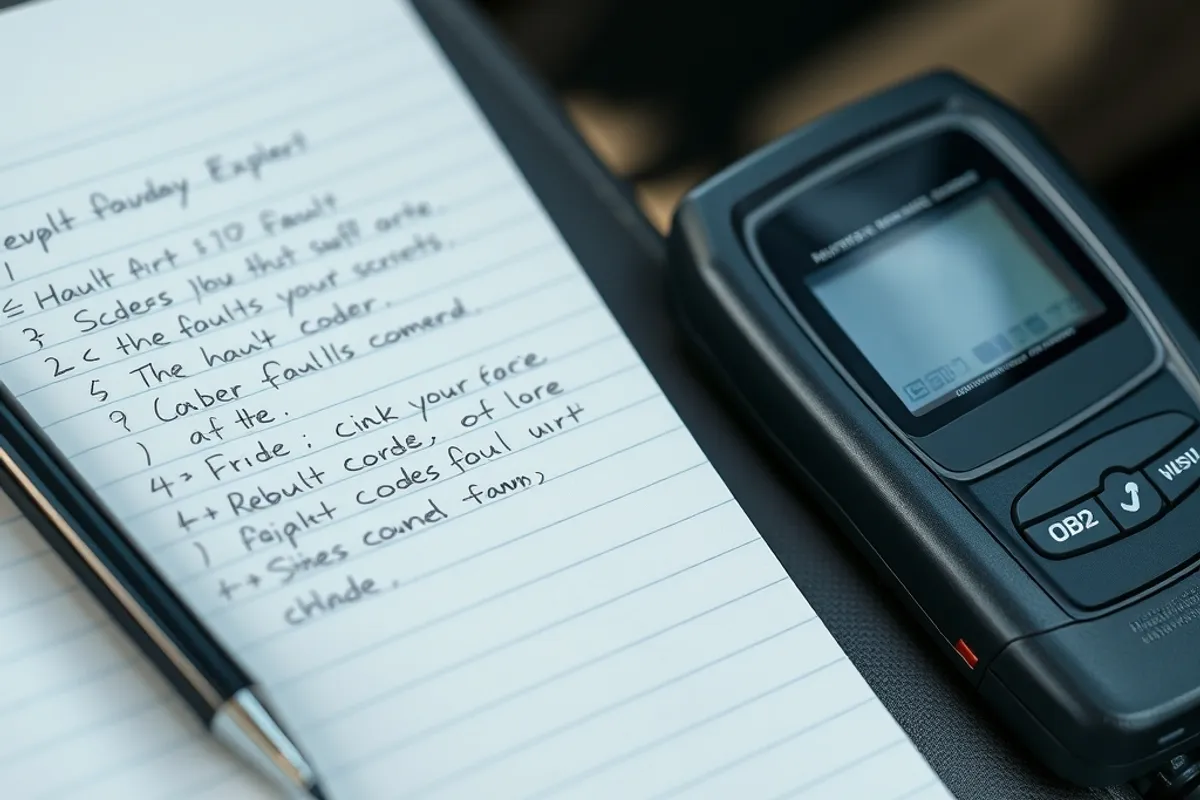
Write down every code exactly as shown, including any letters after the main number. Then open the freeze-frame or 'view data' option and photograph the screen. Record engine speed, load, coolant temperature, short and long fuel trim, intake air temperature and vehicle speed at the moment the fault set.
Save or export a full code list if the tool allows it. Clear nothing yet. A stored code with a matching freeze frame is evidence; a cleared code is a rumour. If you must clear a code to see whether it returns, note the mileage and date first.
Grouping codes by system
P0 codes are generic powertrain faults: fuel, air, ignition, emissions and transmission. P1 codes are manufacturer-specific and need a model-specific lookup. B codes relate to body systems such as airbags and climate control, C codes to chassis systems such as ABS and stability control, and U codes to the communication network between modules.
Look for patterns. A P0171 (lean) plus a P0300 (random misfire) plus a P0455 (evap leak) can share one cause: a split intake hose. A single U0100 (lost communication) after a battery change may simply be a low-voltage event. Group before you guess.
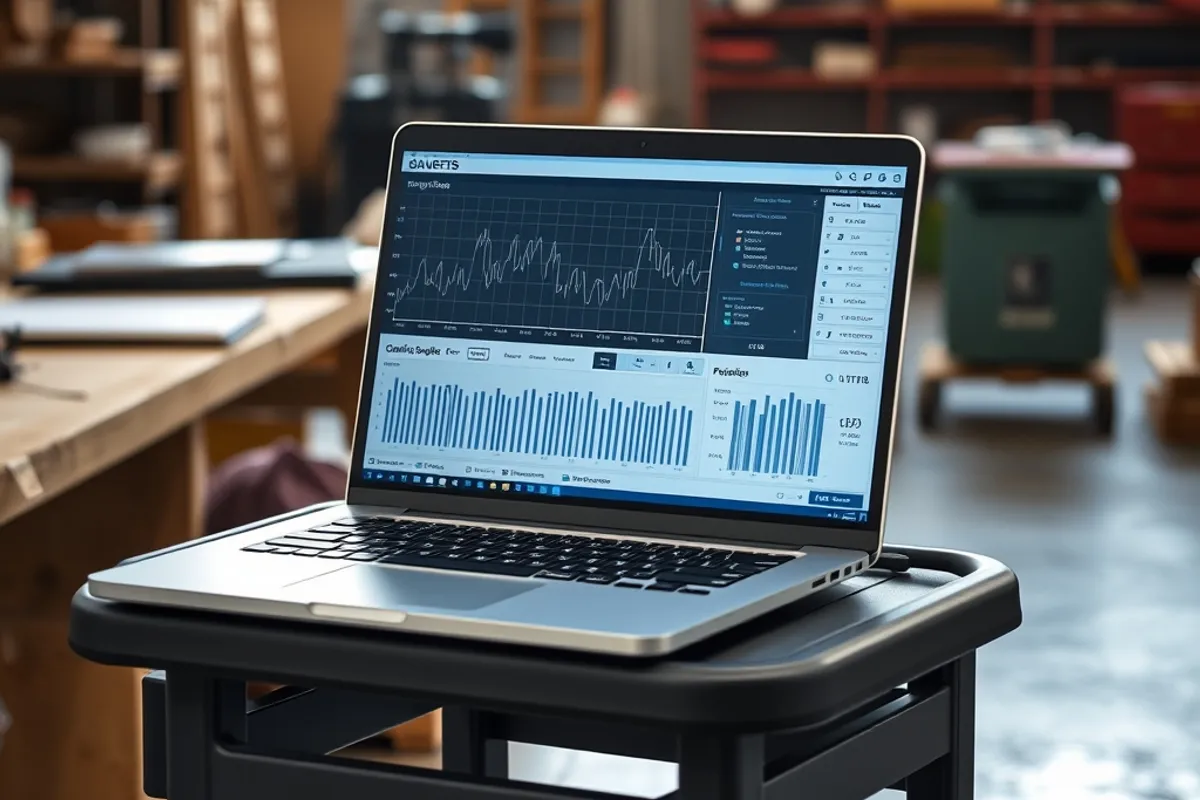
A code is a question, not an answer. Test the circuit before you buy the part.
Five mistakes that cost money
One: replacing the sensor named in the code without testing its circuit. Two: clearing codes before capturing freeze frames. Three: ignoring a second, older code that explains the first. Four: fitting cheap parts to fix a fault caused by a corroded connector. Five: assuming a code means the same thing on every engine.
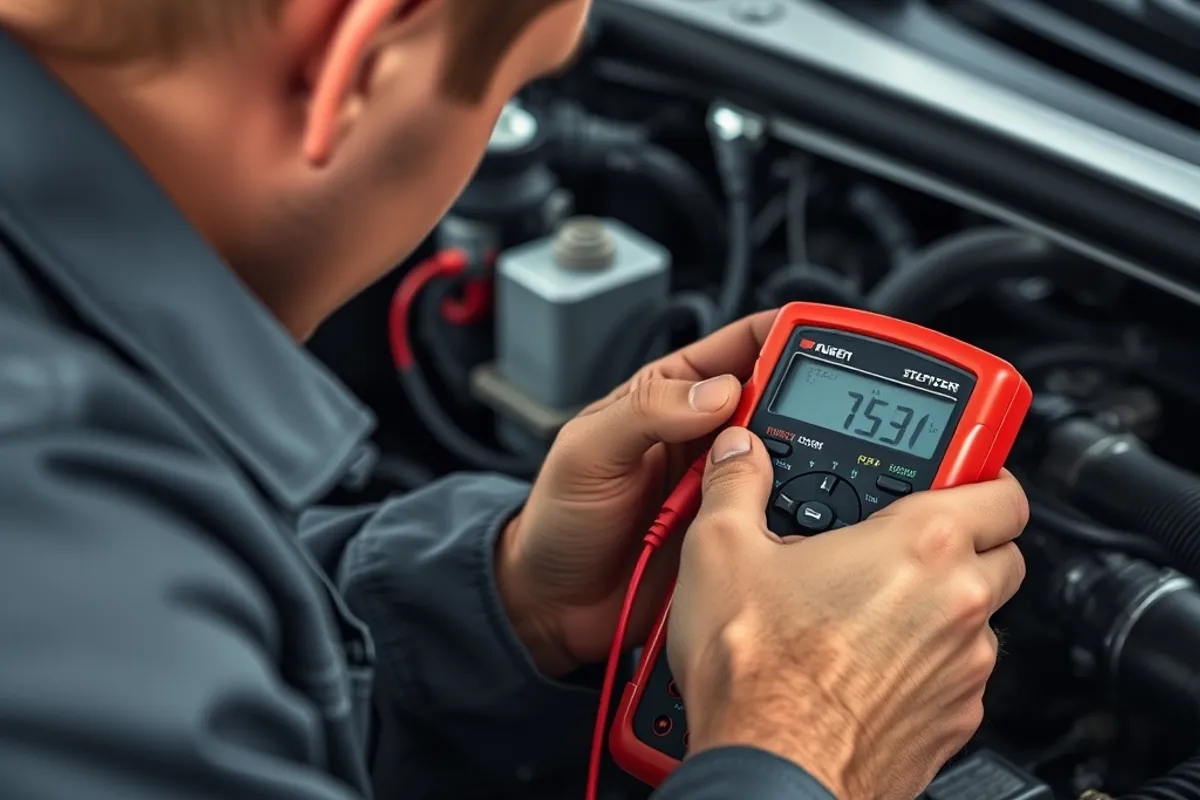
The antidote is a simple test plan. Check power and ground at the component, inspect the wiring for chafe and corrosion, and compare live data against the expected range. If you cannot test it, pay for thirty minutes of a specialist's time rather than a $200 part on guesswork.

When to stop and call a professional
Stop if the fault involves brakes, steering, airbags or a high-voltage hybrid system. Stop if the engine overheats, knocks or loses oil pressure. Stop if the same code returns immediately after a repair, because that usually means the repair addressed a symptom rather than the cause.
A good independent workshop will welcome a clear brief: the codes, the freeze frame, what you have already checked and what changed before the light appeared. That information often cuts an hour of diagnosis, and many shops will credit it against the repair.
The verdict for 2026
Learn the sequence once and it will serve you for every car you own: stop if flashing, connect safely, record everything, group the codes, test before replacing. That discipline saves more money than any single tool.
If you do not own a scanner yet, start with our best OBD2 scanners guide. If the fault is a battery or charging issue, the rest of Car Diagnostics covers the checks that keep a dead battery from looking like a failed module.
Official source: nhtsa.gov.